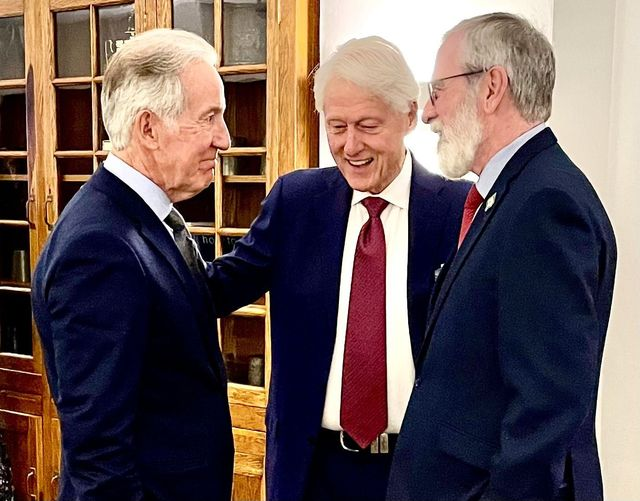
MEETING: Congressman Richard Neal, Gerry Adams and President Bill ClintonMEETING: Congressman Richard Neal, Gerry Adams and President Bill Clinton.
FORMER Sinn Féin President Gerry Adams has welcomed remarks by President Bill Clinton that the Executive and Assembly at Stormont should be restored.
Mr Adams and President Clinton were speaking at an event in New York last night to celebrate 25 years of the Good Friday Agreement. Also in attendance were Friends Of Sinn Féin; Ancient Order of Hibernians; The Friendly Sons of St Patrick; Brehon Law Society; James Connolly Irish American Labor Coalition; and Ladies Ancient Order of Hibernians.
Addressing a packed hall in Cooper Union Building Mr Adams said the Good Friday Agreement is the most important political agreement of our time in Ireland.
He said that the results of the last May’s election to the Northern Assembly need to be respected. Sinn Féin were returned as the largest party but an executive hasn’t been formed due to the DUP’s boycott of the institutions over the new Irish Sea post-Brexit trade border.
“If the DUP remain intransigent then the two governments should move ahead using the Good Friday Agreement all-Ireland mechanisms. A return to British direct rule is not an option,” he said.
Commenting on the continuing role of the US Administration Mr Adams added: “We appreciate the work done by President Biden to defend the Good Friday Agreement. People in Ireland still need the White House to act as guarantor of the Agreement, as President Clinton did and as President Biden continues to do.
“And embedded into the Agreement is the right of the people of Ireland to decide our future. It does not belong to an English government or indeed the DUP.”
He added: “The Irish government should establish a Citizen’s Assembly or series of such Assemblies to discuss the process of constitutional change and the measures needed to build an all-Ireland economy, a truly national health service and education system and much more.
“We need national reconciliation in a citizen centred rights based society including the rights of our unionist neighbours – and the Orange Order and other loyal institutions.
The protections in the Good Friday Agreement are their protections also. The island of Ireland is their land, their home place. The unionists are our neighbours. We want them to be our friends. Sinn Féin is committed to upholding their rights and to working with them to make the island of Ireland a better place for everyone.
“The new Ireland planned and built by all of the people of the island can accommodate and celebrate our differences and diversity. Very few countries get the chance to begin anew. Ireland, North and South, has that chance.”
In the second of three articles, a former adviser to David Trimble recalls the fortnight leading up to the Good Friday Agreement
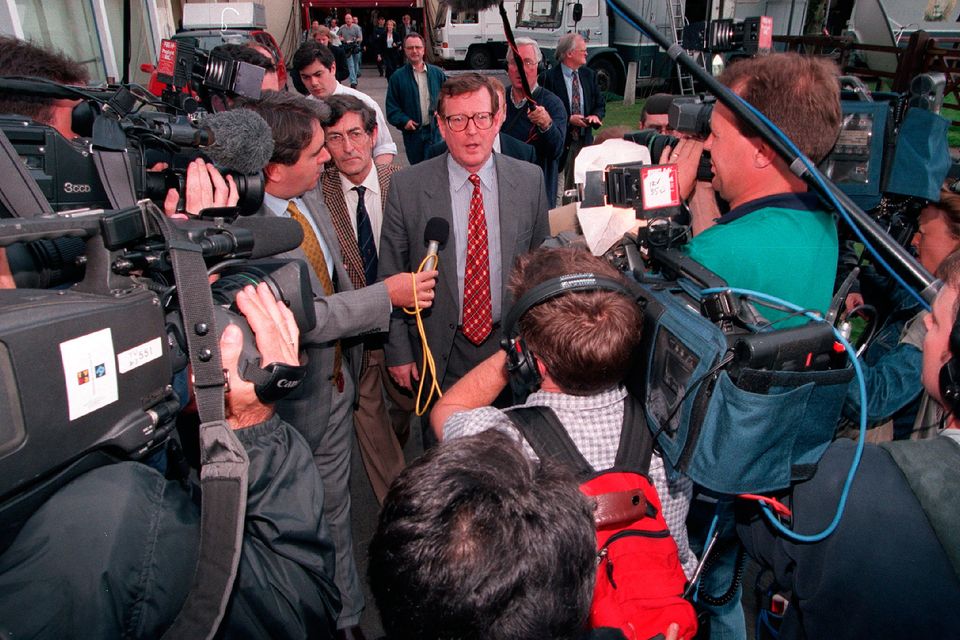
David Trimble speaking to the media in April 1998
David Kerr Belfast Telegraph
Today at 01:00
As much as he liked us all, by March 25, 1998, the talks process chairman, Senator George Mitchell, had seen and heard enough. He had spent almost 700 days supervising talks about talks, talks about areas for talks, talks about ceasefires, parties walking out of talks and parties being suspended from talks.
We had made little progress on any substantive issue. Senator Mitchell wanted an outcome, so he announced a hard deadline of Thursday April 9 to reach an agreement, or he was going home.
Deadlines always focus the mind. Nowadays, the veterans of Northern Ireland’s political scene treat them differently. They tell us political negotiations should take as long as they need. Perhaps they should? Or perhaps this rather casual approach, is because the parties now have the benefit of 25 years of relative peace to fall back upon if their negotiations falter?
In 1998, we had no such luxury. If Senator Mitchell’s talks process became yet another failed initiative, in a long litany of failed initiatives stretching back to the early 1970s, we knew violence would follow and many people would lose their lives. We were acutely aware of how highly proficient both sides were in Northern Ireland at bringing misery to each other’s doorsteps.
As we entered the final fortnight of the talks, David Trimble would later quip it was the ‘white knuckle ride’ phase of the negotiations. It most certainly was. All the parties were told to submit their respective ideas and position statements and the UK Government, through Senator Mitchell, would aim to produce a working draft document by Friday April 3.
While the UUP and SDLP talked regularly and to both Governments, the UUP refused to speak to Sinn Fein.
The UUP couldn’t work out whether the IRA was committed to peace and a settlement. We knew there were major internal divisions within republicanism. Could Sinn Fein really sign up to the principle of consent? Could Adams convince them to support a devolution and partitionist settlement, when Sinn Fein had declared in September 1997, at the opening round of the ‘Strand 1’ talks (about the internal governance of Northern Ireland), that there would be ‘No return to Stormont’?
The truth is no-one knew what they could accept, and at that stage if they couldn’t support an Agreement, as far as we were concerned, that was their problem.
As a veteran of the failed political initiatives of the 1970s, 80s and 90s, David Trimble knew the price of failure for unionism and Northern Ireland. His sole focus was on getting the constitutional architecture of any deal right.
He wanted to banish the ghosts of Sunningdale and ensure that any North-South cooperation would be accountable to a new Stormont Assembly.
He wanted Stormont restored, the principle of consent accepted by all, and the territorial claim over Northern Ireland in Articles 2 and 3 of the Irish Republic’s constitution removed.
Within the two loyalist parties in the talks as we entered that final week, there was quiet support for Trimble’s approach. If the complex constitutional aspects of the deal were good enough for the UUP legal experts, they would support it.
The strategic concern of the UUP and the loyalist parties was that if the talks collapsed, Tony Blair would cut a deal with the Irish Government in an Anglo-Irish Agreement Mark II, with no gains for unionism and most likely, hidden concessions to Sinn Fein.
Friday April 3
We had expected to receive a comprehensive final draft version of the Agreement on April 3, but it didn’t arrive.
Senator Mitchell had been told by the Governments to delay while they continued to work on the document. The UUP team feared the worst — that the Irish would be busy inserting their wish-list into the document. We would later learn that Sinn Fein had told the Irish that if the Strand 2 (North-South institutions) section of the deal was substantive enough, the IRA would declare a permanent ceasefire.
Monday April 6
When the draft agreement finally arrived on April 6, David Trimble split the document into sections to be analysed by specialist sub-groups within the UUP talks team covering Strand 1, Strand 2 and Strand 3.
The UUP team took seconds to conclude that the Strand 2 section was completely unacceptable. It had three annexes, with annex A covering 25 areas for immediate cooperation, annex B setting out 16 areas and a further eight areas in annex C.
Worse still, the structures were independent meaning no accountability to Stormont, and that if devolution failed in Northern Ireland, the North-South structures would carry on regardless.
Trimble was furious. Senator Mitchell was almost apologetic to him, as we would later learn, he had warned the Governments that he knew the UUP wouldn’t accept it.
Sensing disaster that evening, John Alderdice, then leader of the Alliance Party, would famously say outside Castle Buildings to the assembled media, ‘If the Prime Minister wants a deal, he’d better get over here fast’.
Tuesday April 7
As we arrived back to Castle Buildings on the Tuesday, the UUP talks team was still examining the overall draft agreement. David Trimble was concerned about the proposal for an independent commission on policing, but his attitude remained, the document would have to be changed and the UUP would not walk away without a fight to get a deal secured.
Senator Mitchell told Trimble that Tony Blair was trying to get changes to Strand 2 but the Irish were refusing to budge. Trimble phoned the Prime Minister to underline our problems with Strand 2 and he asked Blair to come over and take charge of the situation.
The Prime Minister and his entourage would subsequently fly to Northern Ireland and base themselves at Hillsborough Castle, where that evening, in front of the assembled TV cameras, Tony Blair would feel the infamous ‘hand of history on his shoulder’.
David Trimble was invited to Hillsborough to meet the PM that evening where, over dinner, they talked in detail for two hours about the draft agreement.
Meanwhile, back at Castle Buildings, UUP deputy leader John Taylor was in charge and following another internal meeting to discuss the draft document, I was dispatched upstairs to tell Senator Mitchell that we were now publicly rejecting the deal.
In all my time during the talks, I don’t think I ever saw anyone look so visibly stressed as Senator Mitchell looked as I delivered this message.
In his typically flamboyant manner, Taylor would leave that evening to attend a function in London telling the assembled media, he ‘wouldn’t touch the draft document with a 40ft barge pole’.
Whilst all of this political drama was being played out in Belfast, Taoiseach Bertie Ahern was dealing with a profoundly more distressing and personal tragedy — the death of his mother.
He had been keeping vigil beside her since she had passed away on the Sunday night, from a heart attack. Her funeral was to take place on Wednesday afternoon.
Following the formal and very public rejection of the draft deal by the UUP, the message was sent to Ahern that unless something was done, the talks would collapse.
Wednesday April 8
To his eternal credit in the circumstances, on the morning of his mother’s funeral, Bertie Ahern flew to Belfast around 6.30am to meet with the UUP to discuss the problems with Strand 2. He spoke to Tony Blair and then flew back to Dublin for his mother’s burial.
He would then return to Castle Buildings that evening, to take personal charge of the Strand 2 negotiations. As he arrived back and walked past me in the corridor, he looked as I expected him to look — awful.
When I delivered the message to our team, that he was back, we knew he wanted to get a deal done.
The UUP and Irish Government would negotiate late in the early hours of Thursday morning to eventually agree a completely revised Strand 2 agreement. Three annexes were reduced to one, which set out 12 defined areas for co-operation to be discussed and agreed by Stormont.
They would not be described as ‘Executive’ bodies. A unionist minister would have to be present at all North/South Ministerial Council meetings to approve decisions.
The UUP had successfully banished the mistakes of Sunningdale. Trimble was delighted.
We would later learn that Sinn Fein were so outraged about this, they threatened to walk out, but with promises on prisoners from both Governments and their own political shopping list of some 60 items, Sinn Fein would choose to stay.
Thursday April 9
As we arrived back at Castle Buildings on the Thursday morning, the focus had shifted to the other parts of the Agreement. Intensive talks between the SDLP and UUP centred around Strand 1 matters, which basically concerned the format of a Stormont Assembly and a possible Executive.
As far as we were aware, despite the UUP having never met Sinn Fein during the talks process in a bi-lateral format, Sinn Fein had not taken part in any of the discussions for Strand 1.
They were certainly true to their ‘No return to Stormont’ mantra — and it gives a clear indication of how far they would subsequently travel by signing up to the Good Friday Agreement.
There were approximately 38 drafts of the Strand 1 papers and the UUP and SDLP did pretty much all of the negotiating between themselves.
The UUP Strand 1 team was led by Reg Empey. He had initially proposed the Welsh model or ‘Committee system’ as it was known.
The UUP calculation was that this would avoid the political drama of Sinn Fein holding Ministerial positions, as Committee chairs could be rotated between MLAs, much the same as they do on councils around Northern Ireland.
Viewed through the prism of 2023, it would be easy to misrepresent this approach as exclusionary. But the UUP team at that point simply felt it was a bridge too far for the unionist electorate to accept a Sinn Fein Minister in a devolved Government — especially if there was no evidence the ‘war’ was over or decommissioning would take place.
It’s also worth noting that even 25 years after the Good Friday Agreement, both Fine Gael and Fianna Fail still refuse to share power with Sinn Fein in Dublin.
The UUP would eventually agree to an Executive and Assembly structure, as a better form of Government, especially when promoting Northern Ireland to an international audience.
The UUP negotiators felt they had secured their constitutional objectives on Strand 2, so they needed to come to an agreement with the SDLP, who wanted an Executive structure.
Strand 1 was eventually signed off late on the Thursday night with the SDLP.
David Trimble would say afterwards that he thought John Hume was going to burst into tears. As the meeting concluded, Hume embraced John Taylor in a moment of profound symbolism between the UUP and SDLP.
Talks had been proceeding on various issues in parallel to this, such as Strand 3 (East-West structures) and the long talked about concept of a British Irish Council (BIC).
The BIC was intended to give unionists the equivalent institutional dimension to the Strand 2 North/South Ministerial Council. It would bring together the various devolved Governments of the UK, Ireland, the Isle of man and Channel Islands in a unique forum, to discuss matters of mutual interest and cooperation.
As the clock moved towards 6pm on the Thursday evening, David Trimble had another engagement to attend — a meeting of his 110 member ruling UUP Executive, in Glengall Street. He had promised to brief them before any deal was agreed at Stormont.
The meeting was scheduled for 6.30pm. We still hadn’t agreed anything on policing, prisoners or decommissioning and time was running out.
The next 24 hours would turn out to be the most important — and arguably career defining — for everyone in the UUP talks team.
Senator Mitchell had wanted a deal agreed before Good Friday, but he was going to have to wait a bit longer.
The concluding article of this three-part series will focus on the final 24 hours of the talks that led to the Good Friday Agreement on April 10, 1998. It will be published on Good Friday (April 7), ahead of the agreement’s 25th anniversary.
Joe Biden says increased terror threat level won’t stop his visit to Northern Ireland.
The US President is due to visit Northern Ireland to mark the 25th anniversary of the Good Friday Agreement in April
US President Joe Biden will visit Ireland in April
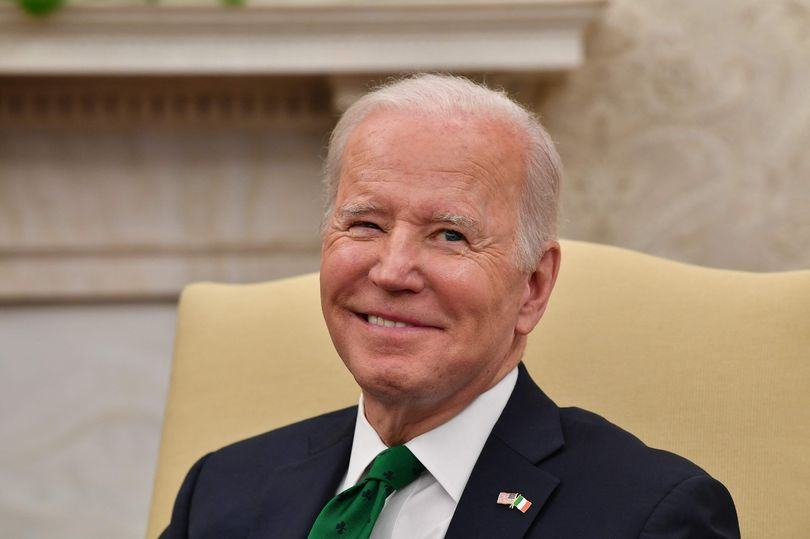
President Joe Biden is determined to visit Ireland (Image: AFP via Getty Images)
Joe Biden insists Northern Ireland’s recently-increased terror threat level won’t halt his plans to visit next month.
The US President said his trip to Ireland will go ahead as planned despite MI5 raising Northern Ireland’s terror threat level earlier this week.
MI5, the UK’s domestic counter-intelligence and security agency, increased the region’s terror threat level from “substantial” to “severe”, meaning an attack is highly likely.
For all the latest news straight to your inbox, sign up for our FREE newsletters here.
When asked if the threat concerned him, Biden appeared unfazed.
“No, they can’t keep me out,” he said at assured reporters at Raleigh-Durham International Airport in North Carolina that his
Biden’s visit to Ireland is expected to commence early to mid-April, lasting for around five days.
While the trip itinerary is still being finalized, it is understood he will spend some of that time in Northern Ireland to celebrate the 25th Anniversary of the Good Friday Agreement.
Two and a half decades on from the historic agreement, members of Northern Ireland’s government slammed people who “remain determined to cause harm to our communities through acts of politically motivated violence” in the wake of the raised threat level.
Northern Ireland Secretary Chris Heaton-Harris said: “The threat level to Northern Ireland from Northern Ireland Related Terrorism is constantly monitored and is subject to a regular formal review.
“This is a systematic, comprehensive and rigorous process, based on the very latest intelligence and analysis of factors which drive the threat. The threat level review takes into account a range of factors and analysis of recent incidents.”
“In recent months, we have seen an increase in levels of activity relating to Northern Ireland-related terrorism, which has targeted police officers serving their communities and also put at risk the lives of children and other members of the public.
“These attacks have no support, as demonstrated by the reaction to the abhorrent attempted murder of DCI Caldwell.”
He added that the public should “remain vigilant, but not be alarmed”.
Former US President Bill Clinton, former British Prime Minister Tony Blair and former Taoiseach Bertie Ahern will also attend commemorative events in Northern Ireland to mark the 25th anniversary of the peace deal.
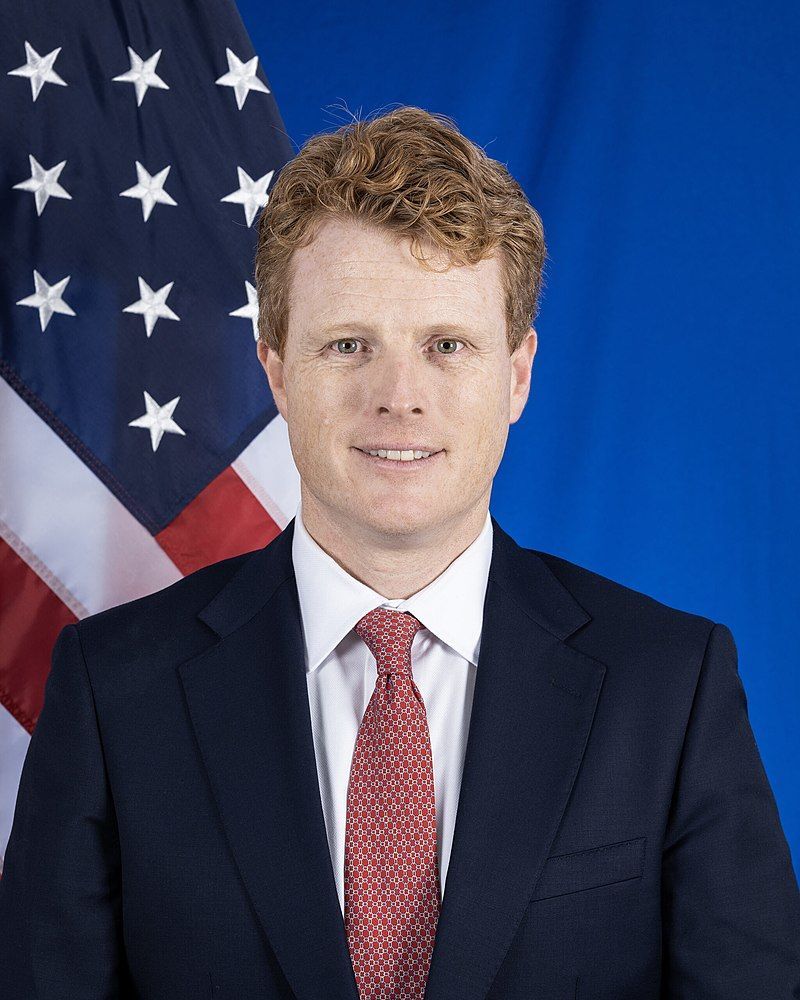
There is a new Kennedy associated with Irish affairs. With a nod to the past and a move toward the future, President Joe Biden recently selected 42-year-old Joseph Kennedy III as the latest Special Envoy to Northern Ireland.
Who is this newest Kennedy? What does he confront in his new role?
This generational passing of the family torch could impact the province’s future – and his own.
Kennedy is the grandson of Senator and Attorney General Robert Kennedy, assassinated while running for president in 1968. His great-uncle, SenatorTed Kennedy, played a crucial role leading to the 1998 Good Friday Agreement (GFA), including supporting the 1985 Anglo-Irish Agreement (which provided an advisory role for the Republic’s government in Northern Ireland’s government).
His great-aunt, Jean Kennedy Smith, U.S. ambassador to Ireland in the 1990s, was likewise an influential peace process player. And his father, Rep. Joe Kennedy II, contributed to congressional monitoring of Northern Ireland’s political and economic progress.
Kennedy was born in Brighton, Massachusetts, and attended the elite Buckingham Browne and Nichols School. He and his fraternal twin, Matt, majored in management science and engineering at Stanford University, where he graduated in 2003. His lacrosse teammates and friends at Stanford remember him as the “Milkman”: a teetotaler who opted for milk. After graduation, Kennedy spent two years in the Dominican Republic working for the Peace Corps, a service created by his great-uncle, President John Kennedy.
Kennedy subsequently attended Harvard Law School, where he met his future wife, Lauren Anne Birchfield, this while they studied under Professor Elizabeth Warren. He worked on the Legal Aid Bureau and the Harvard Human Rights Journal and started an after-school program for at-risk youth in Boston. Upon graduation, he became assistant district attorney in Middlesex County.
When Democratic Rep. Barney Frank retired in 2012, Kennedy moved to Brookline to run for the open seat. He campaigned on economic fairness, advocating for equal opportunity for education and jobs. With Matt as his confidant, and his grandmother, Ethel Kennedy, campaigning on his behalf, Kennedy easily won the seat.
In Congress, Kennedy supported improved education and job training. As a member of the Energy and Commerce Committee, he emphasized tackling drug abuse and reducing energy prices. His voting record was solidly liberal but bipartisan on issues such as opioid addiction prevention, access to mental health services for children, and consumers’ access to hearing aids.
Kennedy was active and bipartisan on Irish-related issues, too. He co-sponsored House resolutions supporting Ireland’s presidency of the Council of the European Union, creation of a National Museum of Irish American History, and the GFA, and also one that opposed a Brexit-induced hard border between the Irish Republic and Northern Ireland. He co-signed various Congressional letters to President Trump, Homeland Security, UK Prime Ministers, and others requesting a Brexit strategy that would not compromise the GFA, appointment of a special envoy, an independent public inquiry into state collusion regarding the murder of human rights attorney Patrick Finucane, and suspension of deportation efforts against Malachy McAllister. And he regularly attended the annual St. Patrick’s Day Friends of Ireland luncheon, hosted by the House speaker, where he met the Taoiseach and other Irish officials.
Kennedy consistently championed the underdog. He marched in Boston’s Gay Pride parade and was critical of President Trump’ immigration policies on the southern border, often comparing it to the challenges his Irish ancestors faced. He called for “moral capitalism,” vigorously opposing efforts to repeal the Affordable Care Act.
When picked in 2018 to respond to Trump’s State of the Union message on national television, Kennedy received favorable reviews. His rapid political ascent led him a year later to challenge Massachusetts’s junior Senator, Ed Markey, in the Democratic primary. Early polls showed a promising double-digit lead, but Markey unexpectedly triumphed. Ignominiously, Kennedy was cast adrift as the first family member to lose a Massachusetts election.
Until, that is, Biden, offered a lifeline. Kennedy now finds himself simultaneously poised with potential political resuscitation and a chance to help solve problems bedeviling Northern Ireland. According to U.S. Secretary of State Anthony J. Blinken, Kennedy’s focus will be confined to “advancing economic development and investment opportunities” to benefit all communities and strengthen U.S.-Northern Ireland ties.
Will Kennedy’s responsibilities be that narrow? Similar limits were initially placed upon former special envoy George Mitchell and others, whose boundaries eventually expanded upon earning cross-community trust that contributed to, and subsequently nurtured, the Good Friday Agreement.
Indeed, winning hearts and minds, or at least begrudging acceptance, of all sides is the first hurdle Kennedy will have to clear to succeed. Biden is certainly a fan of his family: Caroline Kennedy (President John F. Kennedy’s daughter) and Victoria Kennedy (Ted Kennedy’s widow) serve as ambassadors to Australia and Austria, respectively. So Kennedy will assuredly have the President’s ear.
And his selection was welcomed by Irish and republican and nationalist officials in Northern Ireland and the Republic. But receiving the British government’s respect will be trickier, particularly in the wake of President Biden’s repeated warnings to three consecutive prime ministers to not undermine the peace accords. British public expressions of respect and appreciation could easily be counteracted by annoyed perceptions of Biden and Kennedy as interlopers improperly meddling in UK affairs.
As for Northern Ireland unionists/loyalists, they are historically, sometimes justifiably, nervous when U.S. officials become directly involved in their affairs.
This is especially true now given their lingering feeling of neglect stemming from a lack of consultation regarding a Northern Ireland Protocol-induced border in the Irish Sea, seen by many as British government duplicity. “We seem to be getting one of these classic Irish-American envoys who has no idea what we’re about—that we’re British, not Irish,” one unionist told Politico. Similar comments confirm Kennedy will face a formidable task overcoming his diplomatic inexperience and name to win respect from all sides.
Then there is the problem of violence. The annual marching season, old grudges from the violent days of the Troubles, and the New IRA (a small group of approximately 200 members) remain threats. Stability is always threatened behind the curtain of Irish history as sectarian strife stubbornly pokes at the peace gained with the support of the U.S. government and Irish America.
Kennedy will have to master the newly-minted “Windsor Framework” Protocol trade agreement between the UK and the European Union, which Biden hailed as an essential step to ensuring that the GFA’s hard-earned peace and progress is preserved and strengthened.
How will this agreement be monitored and enforced going forward? The province has had no functioning assembly since February 2022, when the Democratic Unionist Party resigned over Protocol-related issues, compounded three months later when Sinn Fein was voted the province’s largest party.
The human rights situation is also precarious given the British government’s pending Legacy Bill, which would provide immunity for people accused of Troubles-related offenses if they cooperate with a new truth recovery body, and would halt future civil cases and inquests linked to killings during the conflict.
“I don’t know how you encourage people to invest in Northern Ireland unless and until you have a few things solved—the restoration of the assembly, the Protocol, and the paramilitaries,” a former special envoy recently told the Financial Times.
Lastly, will there be reunification of the Republic and the North? Economics may propel it. For instance, Northern farmers are used to selling their products in the South as part of the European community.
Neither they nor other citizens North and South wish to or should be expected to endure Brexit-induced economic inefficiencies. And, this year, shifting population numbers will yield the disappearance of a cultural Protestant majority in Northern Ireland among voters in all age groups.
Consequently, a 2030 united Ireland poll is possible, and planning is needed now. As University of Pennsylvania Professor Brendan O’Leary convincingly blueprints in “Making Sense of a United Ireland,” “this fact-to-be requires preparation, not premature exultation, and certainly not lazy deferral of its predictable consequences.”
The dagger of problems hangs over Northern Ireland as it has for centuries. Americans and Kennedy can play a constructive role by listening to all who desire peace.
His success depends upon how effectively he engages with both sides of the political divide: not just politicians, but farmers, tradespeople, tech workers, NGOs, and church and community leaders. The Kennedys of yore have a storied history of empathizing with, and assisting, citizens of all stripes: a history Joe Kennedy III would do well to emulate.
Coverage of Kennedy consistently describes him as reliable, personable, and thoughtful, someone who feels moral outrage about injustice.
His envoy role will test these personality traits. President Biden and other dignitaries are expected to visit Northern Ireland in April to celebrate the GFA’s 25th anniversary. How many old problems and new ones will confront them?
Perhaps this generation’s Kennedy can help achieve positive outcomes – for Ireland and himself.
James Brosnahan and Dan VanDeMortel have, over the years, published Northern Ireland Presidential and Congressional scorecards, frequently visited Ireland and Northern Ireland, and have written about Irish political and legal affairs. Brosnahan’s to-be-published 2023 memoir will cover, in part, his investigation of the murders of lawyers Rosemary Nelson and Patrick Finucane.
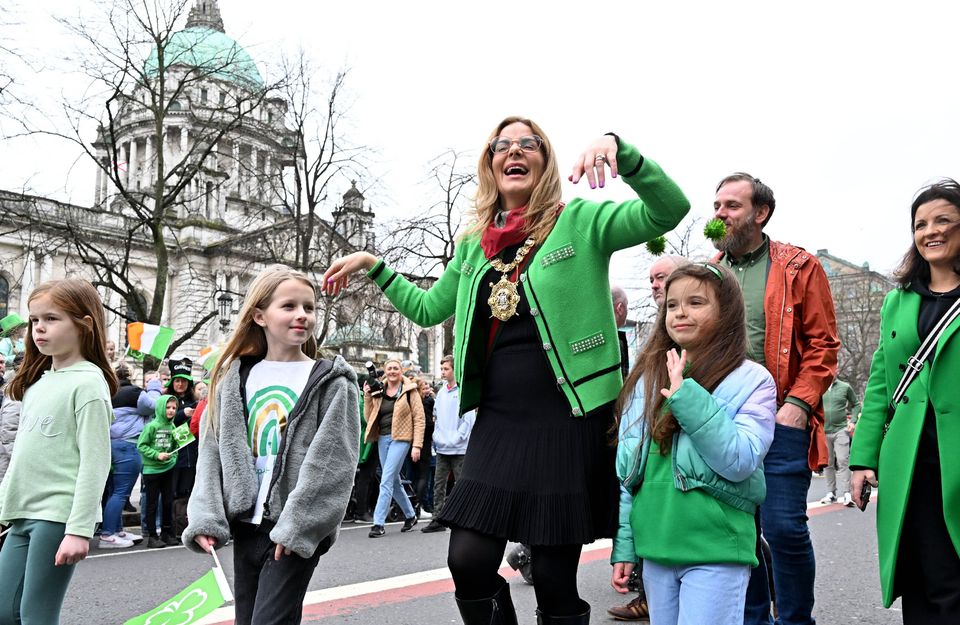
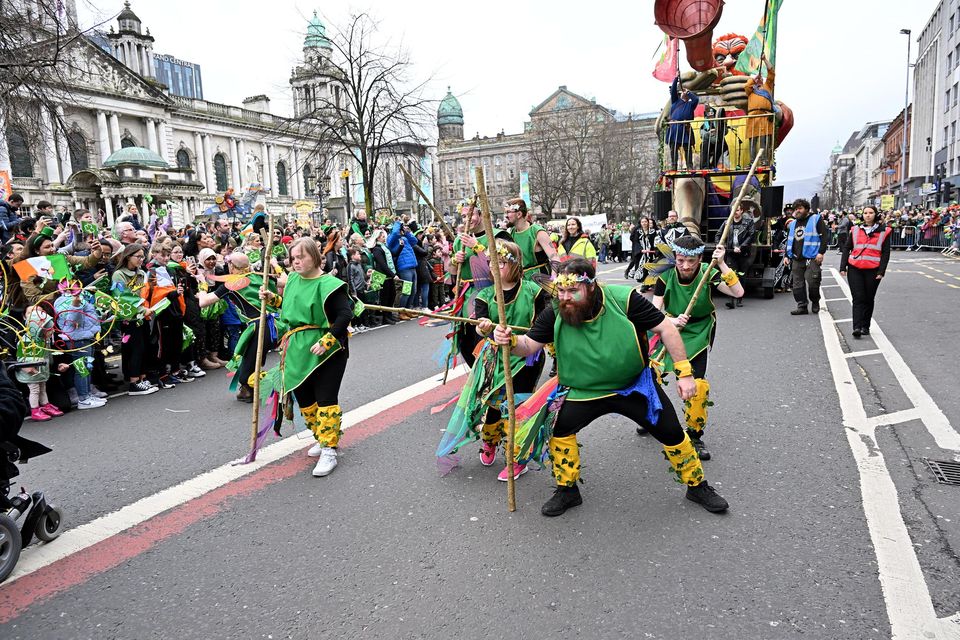
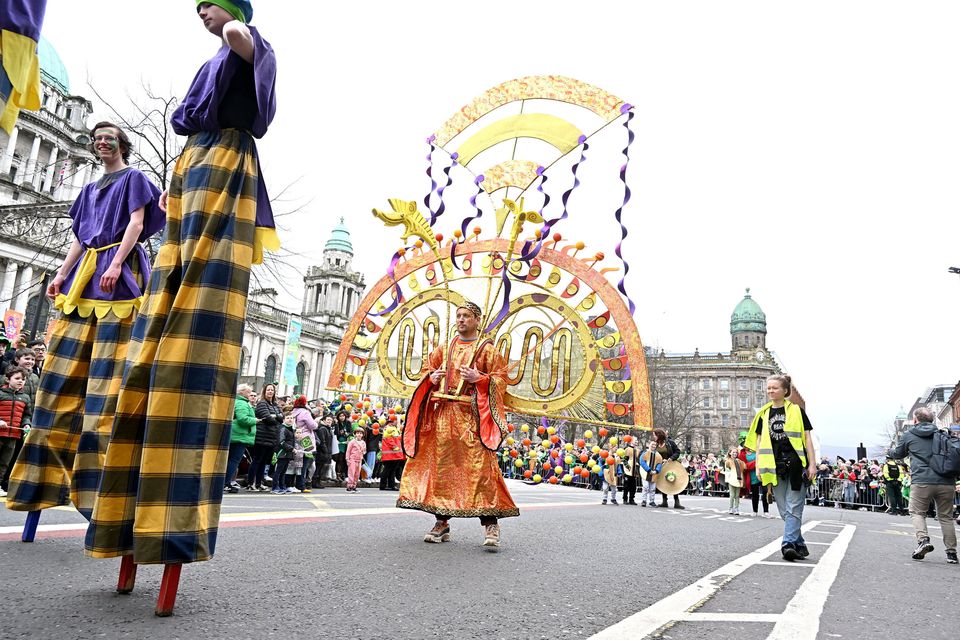
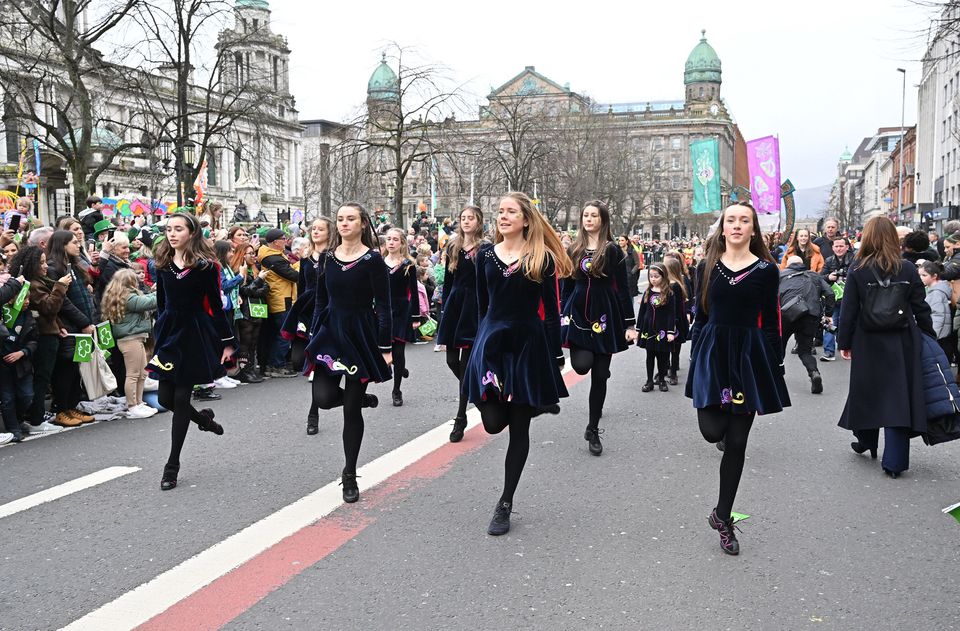
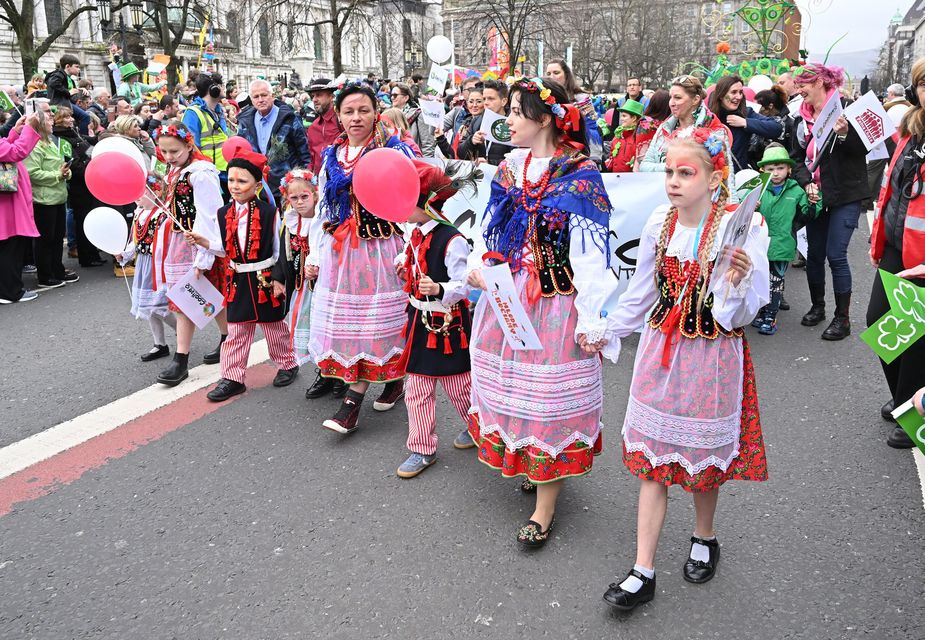
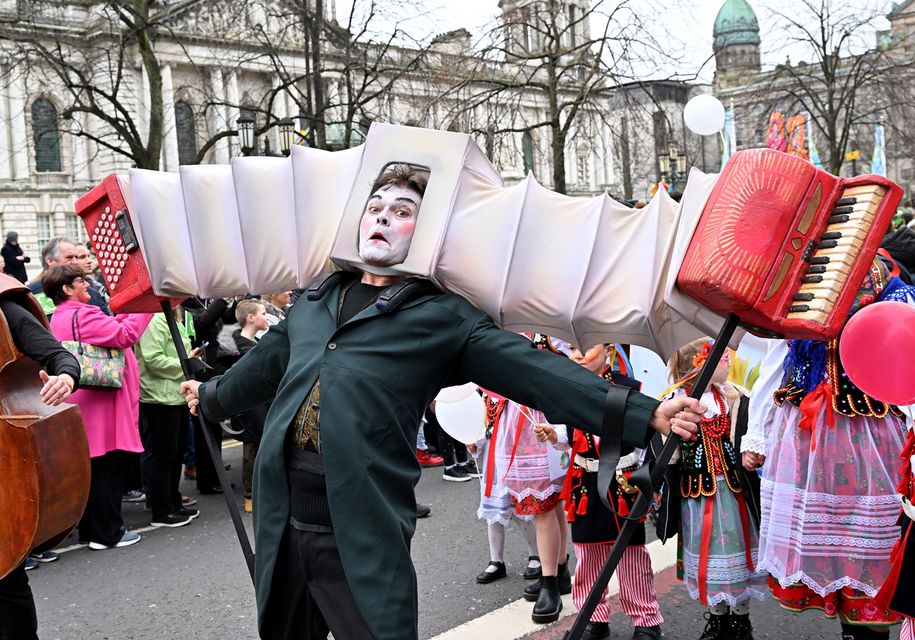
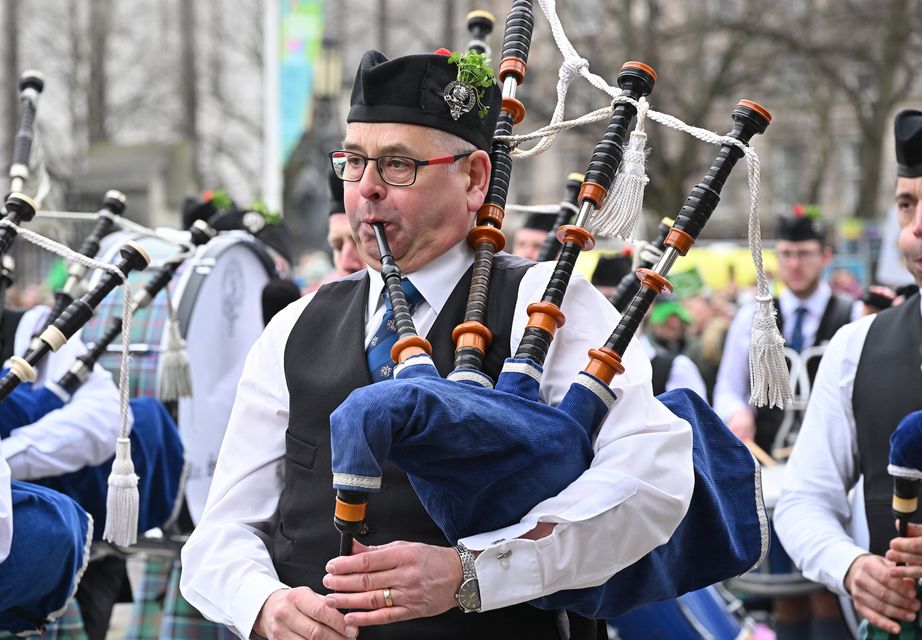
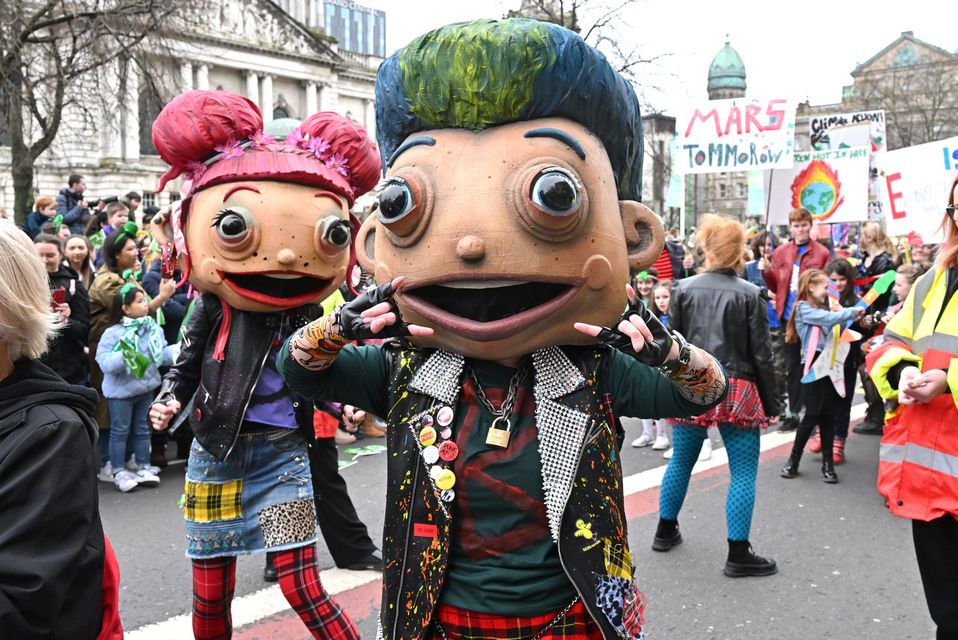
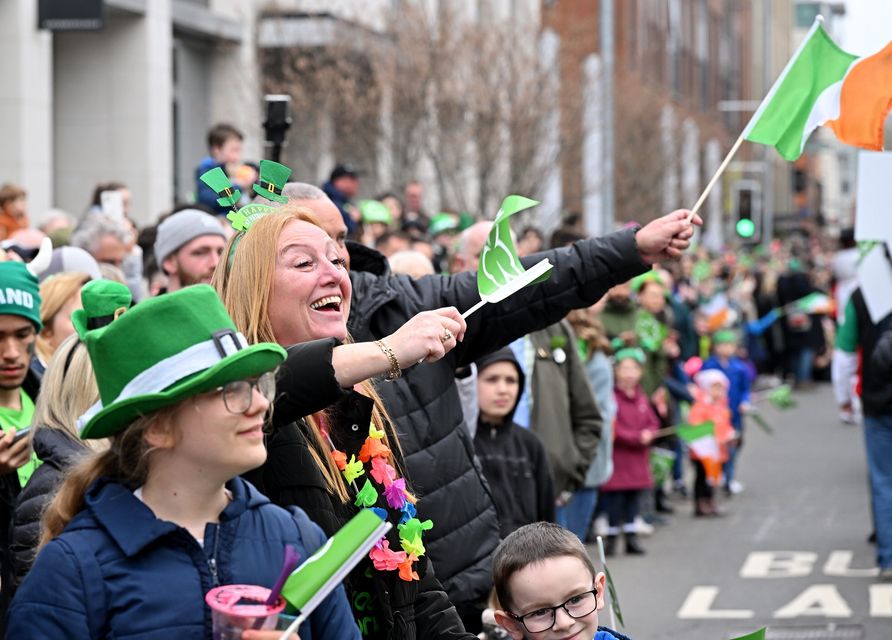
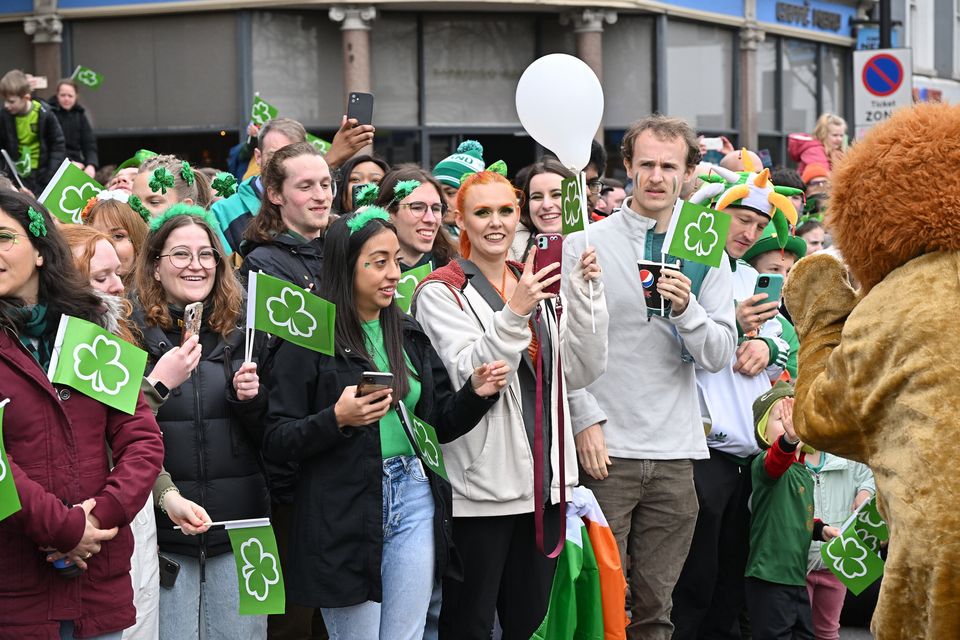
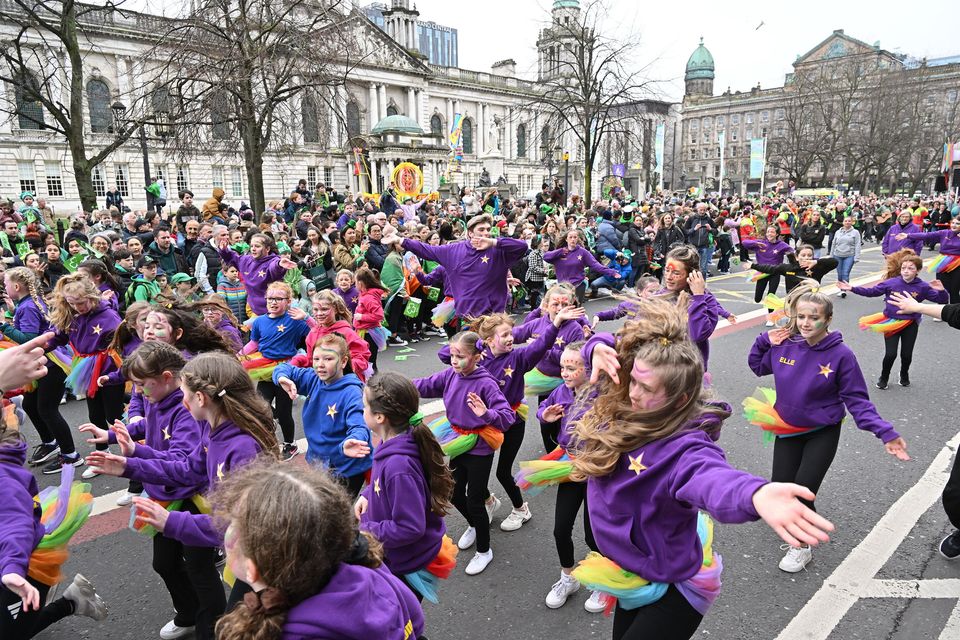
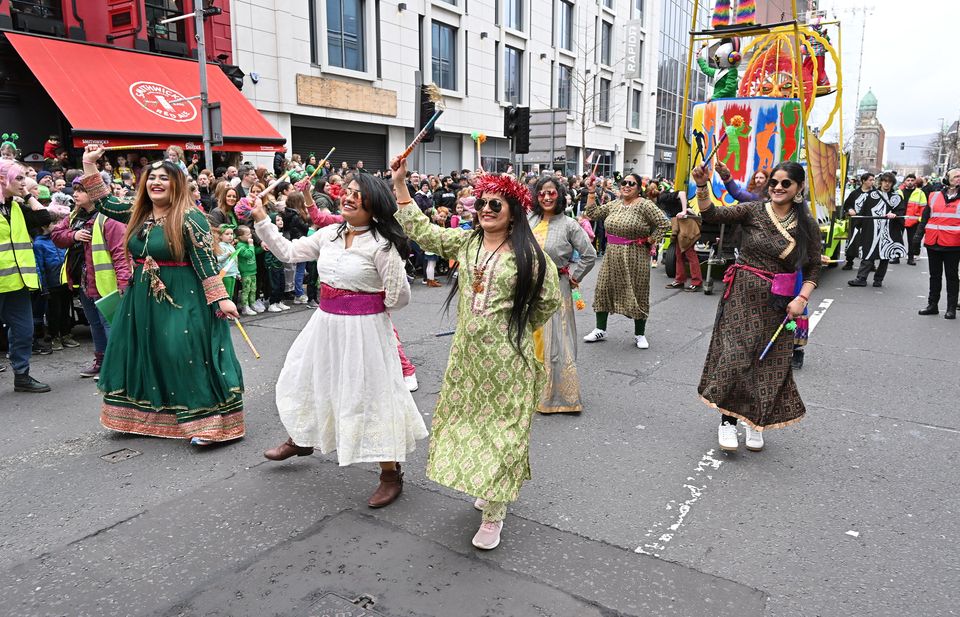
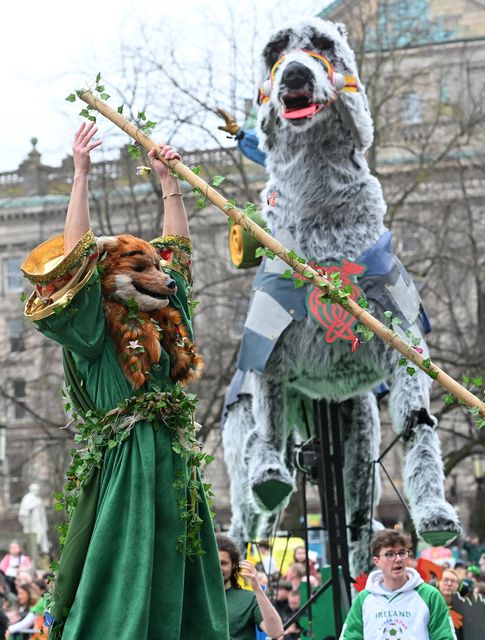
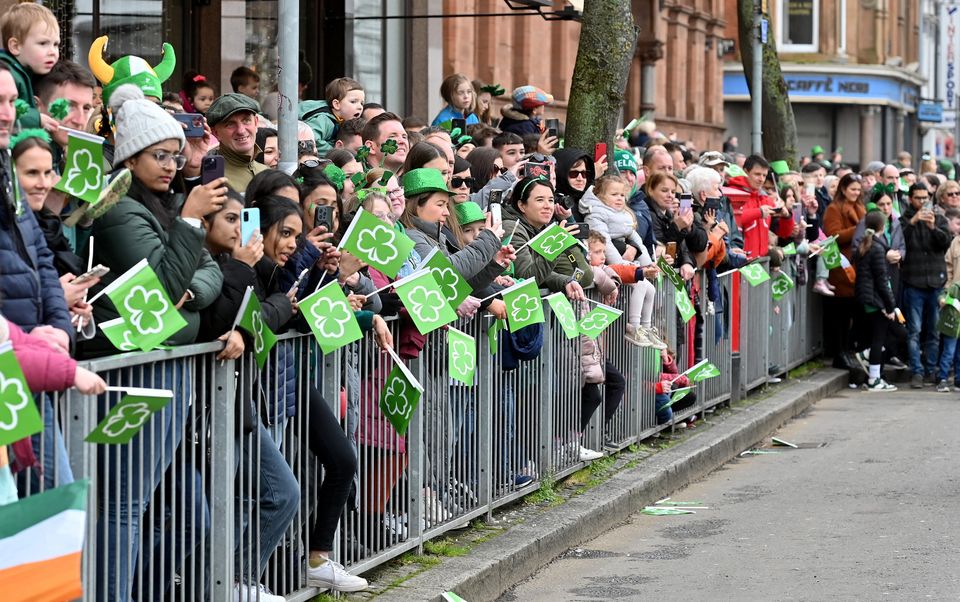
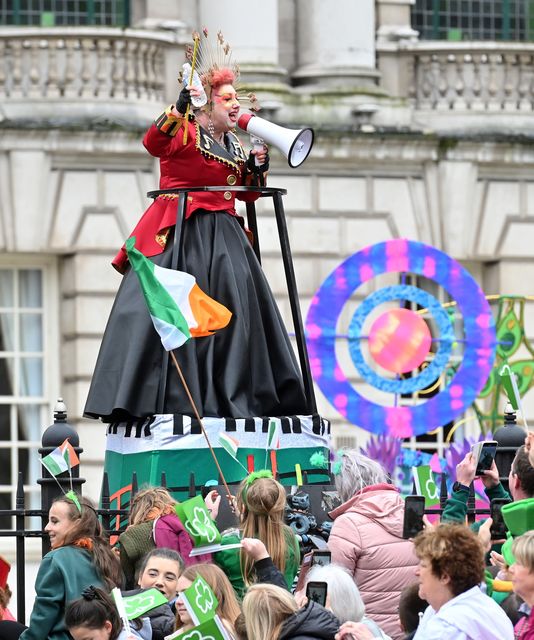
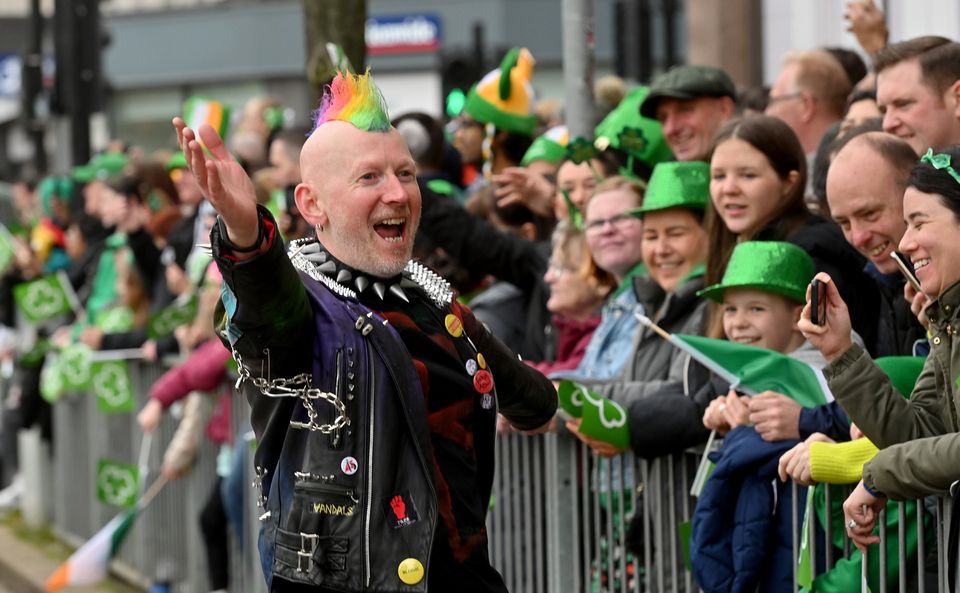
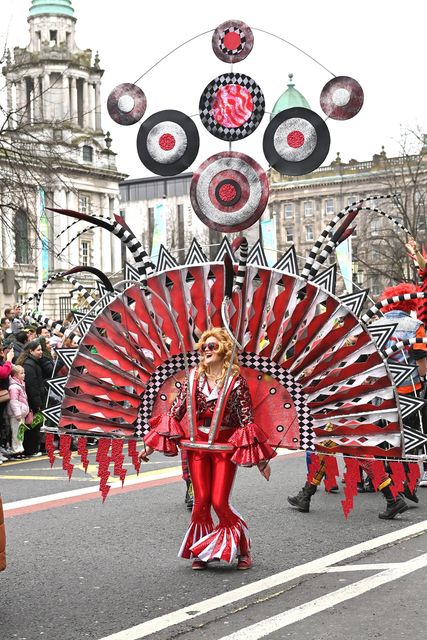
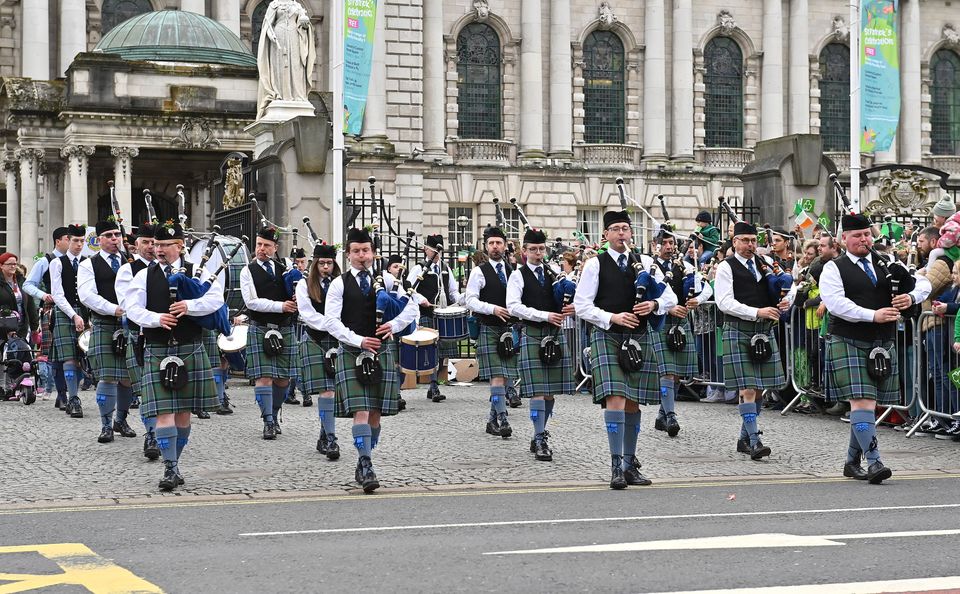
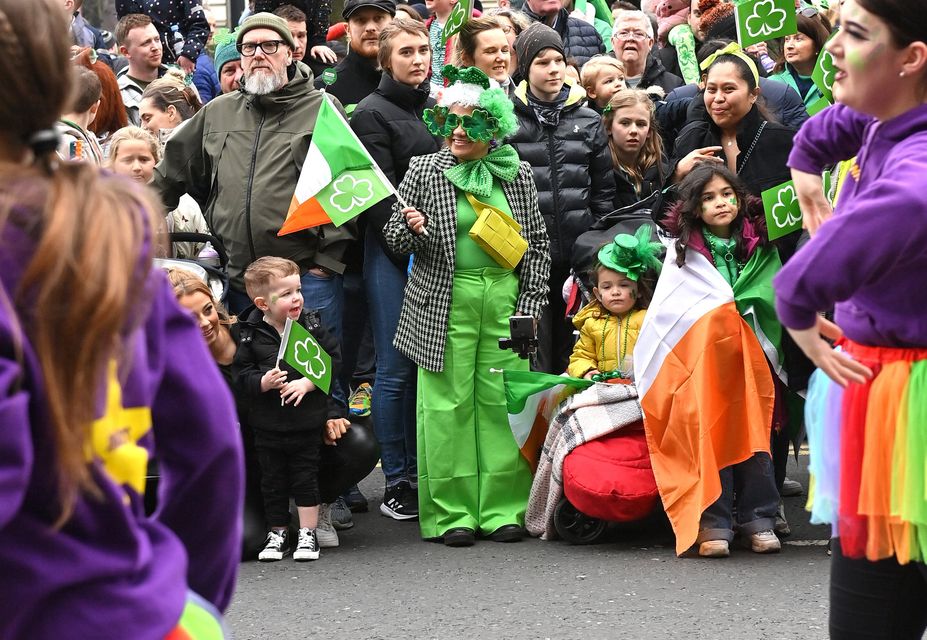
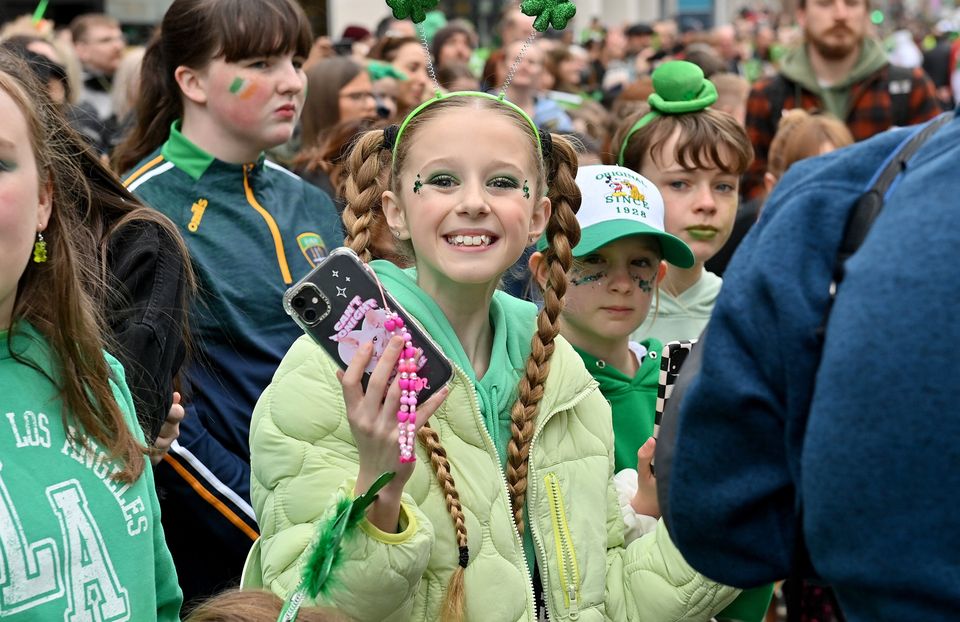
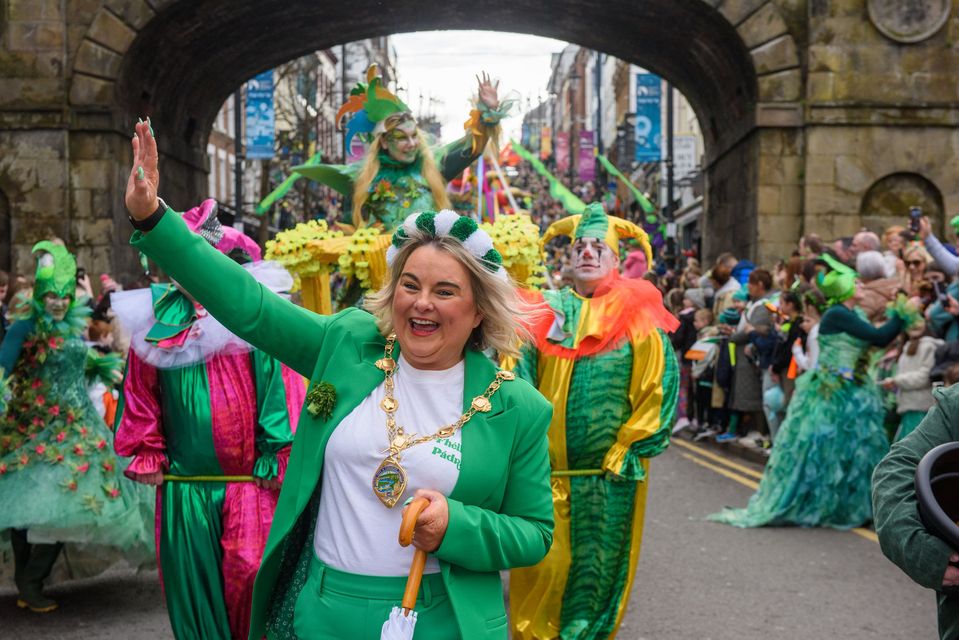
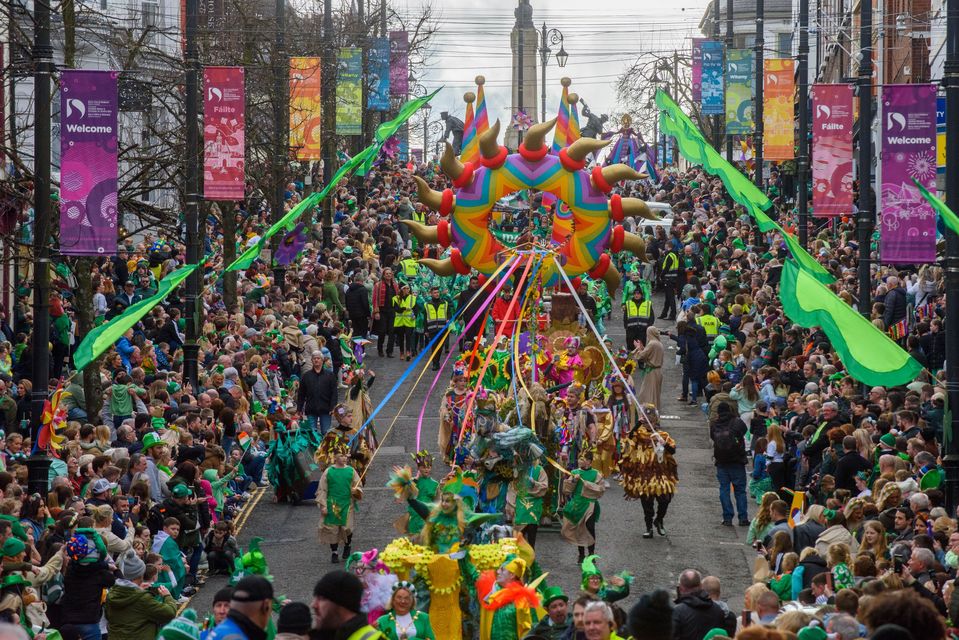
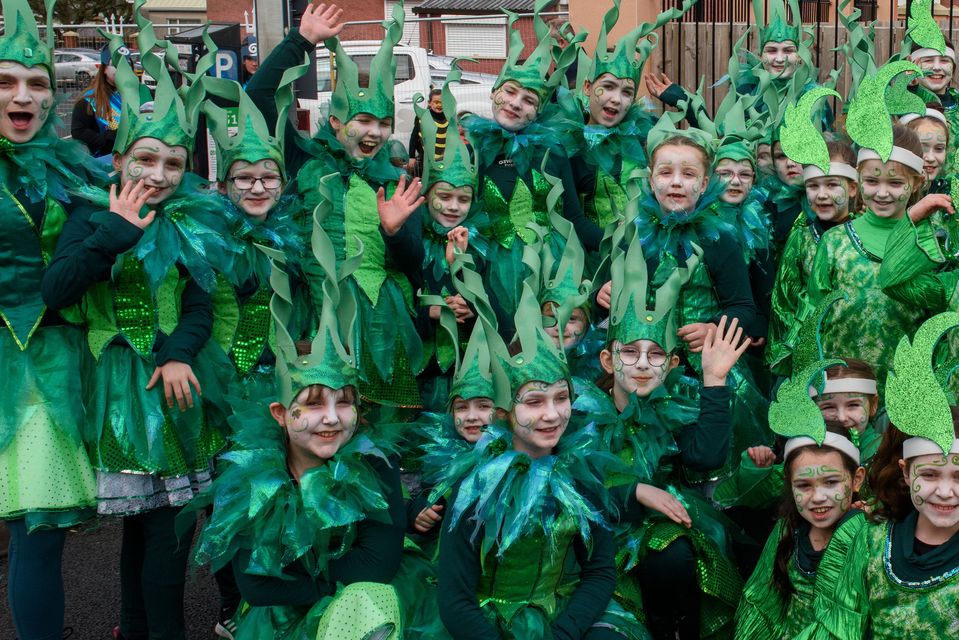
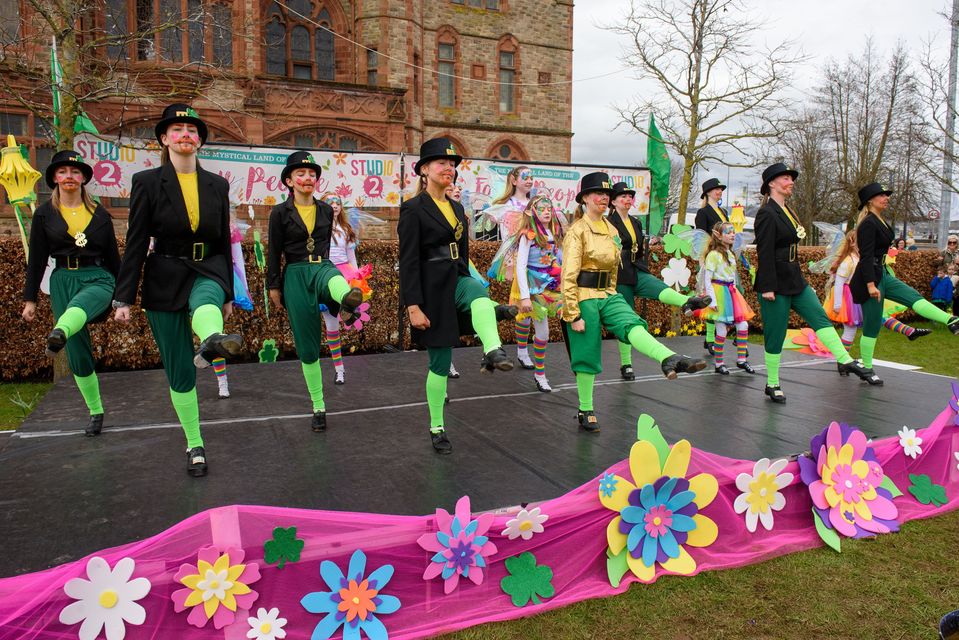
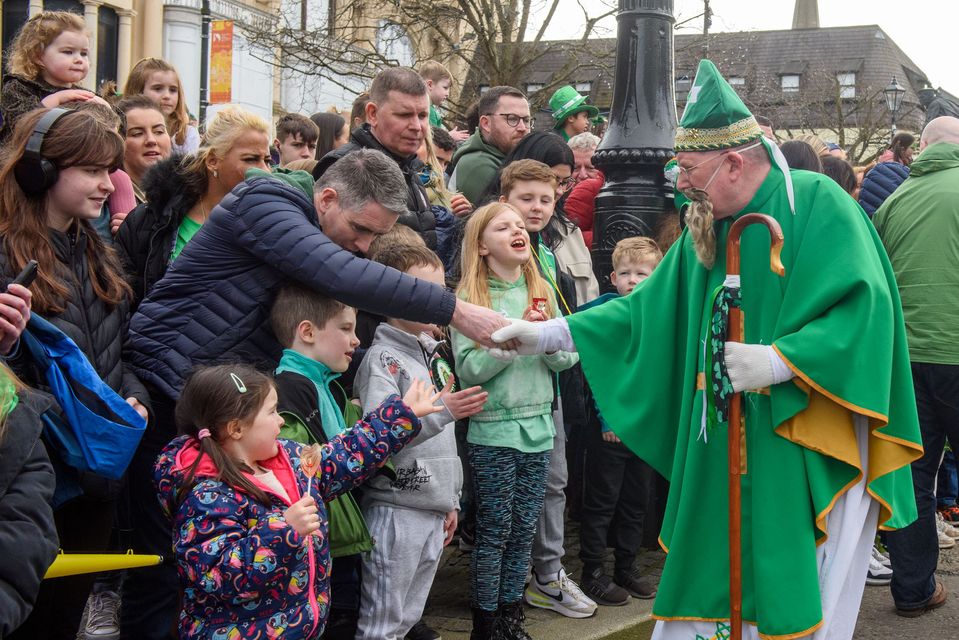
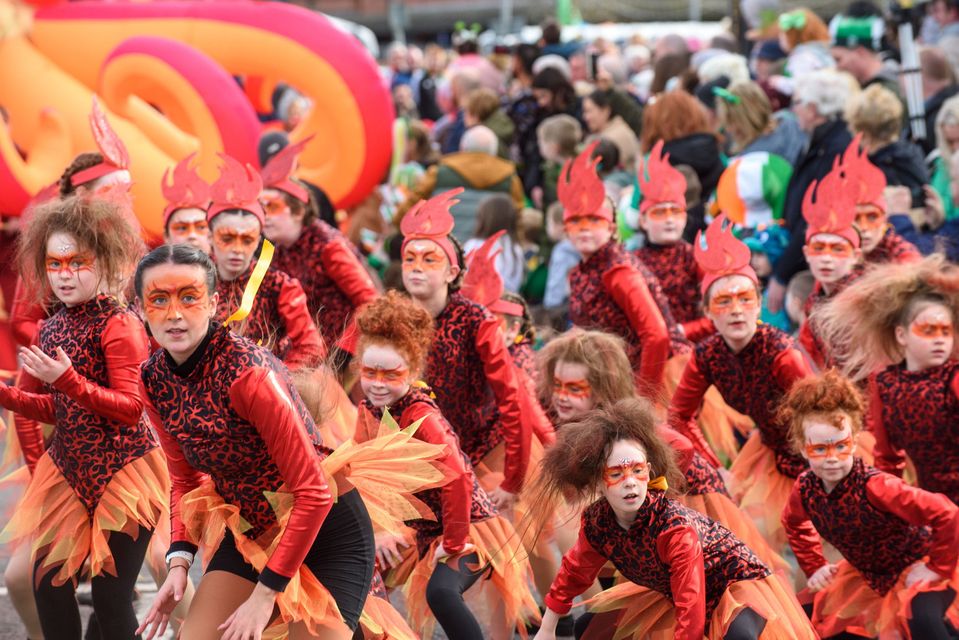
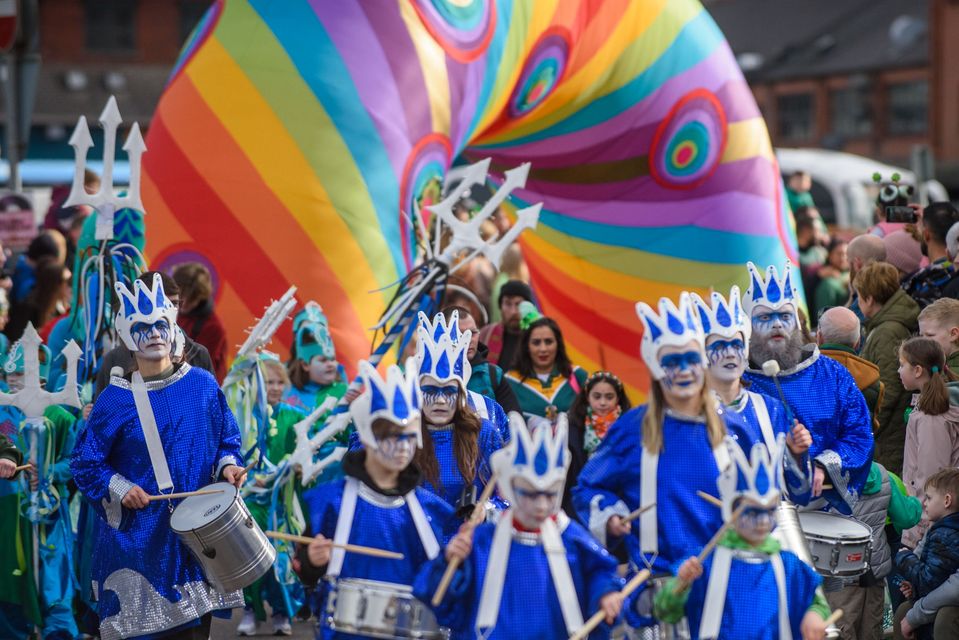
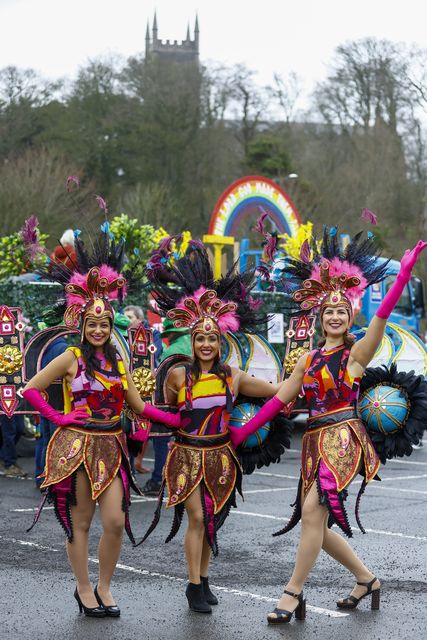
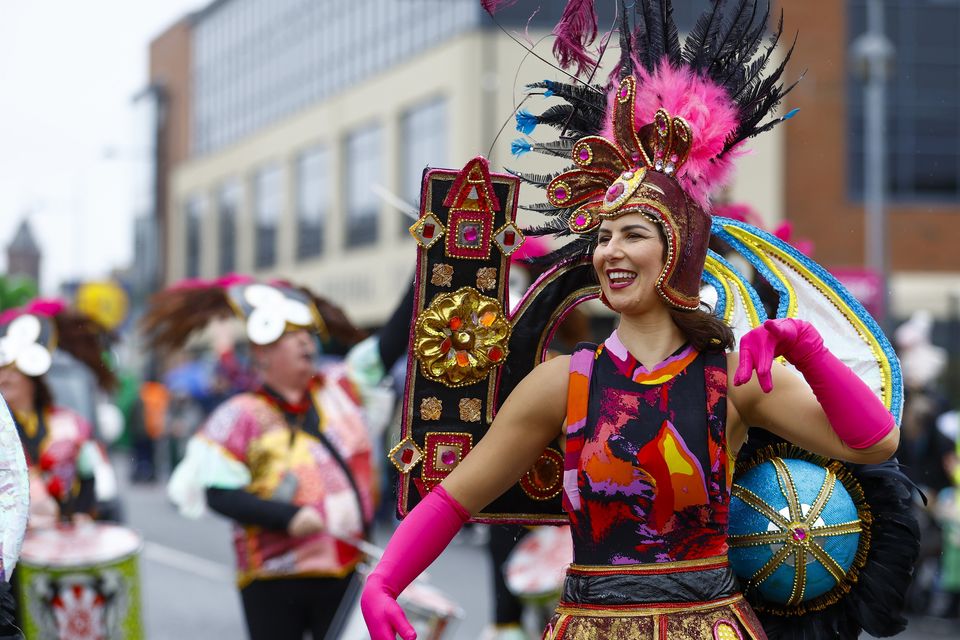
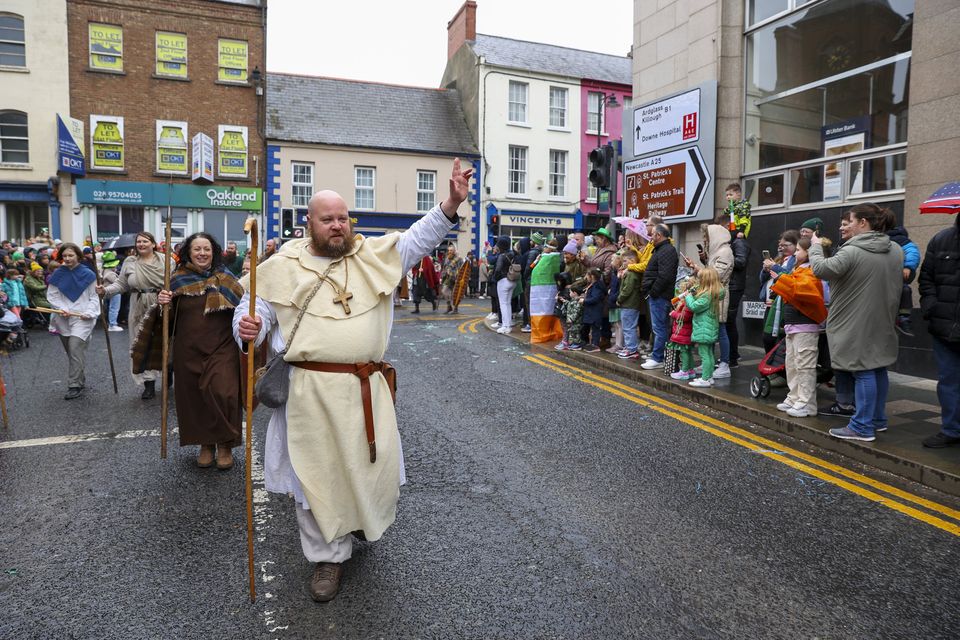
The annual St.Patrick’s Day Spring Carnival reached a climax in Derry as thousands of people came together to watch and take part in the annual event (Martin McKeown).The annual St.Patrick’s Day Spring Carnival reached a climax in Derry as thousands of people came together to watch and take part in the annual event (Martin McKeown).The annual St.Patrick’s Day Spring Carnival reached a climax in Derry as thousands of people came together to watch and take part in the annual event (Martin McKeown).The annual St.Patrick’s Day Spring Carnival reached a climax in Derry as thousands of people came together to watch and take part in the annual event (Martin McKeown).The annual St.Patrick’s Day Spring Carnival reached a climax in Derry as thousands of people came together to watch and take part in the annual event (Martin McKeown).The annual St.Patrick’s Day Spring Carnival reached a climax in Derry as thousands of people came together to watch and take part in the annual event (Martin McKeown).The annual St.Patrick’s Day Spring Carnival reached a climax in Derry as thousands of people came together to watch and take part in the annual event (Martin McKeown).The annual St.Patrick’s Day Spring Carnival reached a climax in Derry as thousands of people came together to watch and take part in the annual event (Martin McKeown).