David Crosby, the singer/songwriter and guitarist behind The Byrds and Crosby, Stills & Nash, has died at 81, sources close to Crosby have confirmed with Billboard.
Crosby was a founding member of The Byrds, who earned two Billboard Hot 100 No. 1 songs in 1965 with “Turn! Turn! Turn! (To Everything There Is a Season)” and a cover of Bob Dylan’s “Mr. Tambourine Man.”
In 1968, he formed Crosby, Stills & Nash alongside Stephen Stills and Graham Nash. Their self-titled debut album spawned two top 40 Hot 100 hits — “Suite: Judy Blue Eyes” (No. 21) and “Marrakesh Express” (No. 28) — and the trio won the Grammy for best new artist in 1969. Neil Young was an informal fourth member for occasional live performances, when the group would go by Crosby, Stills, Nash & Young. The core trio stayed active through 2016.
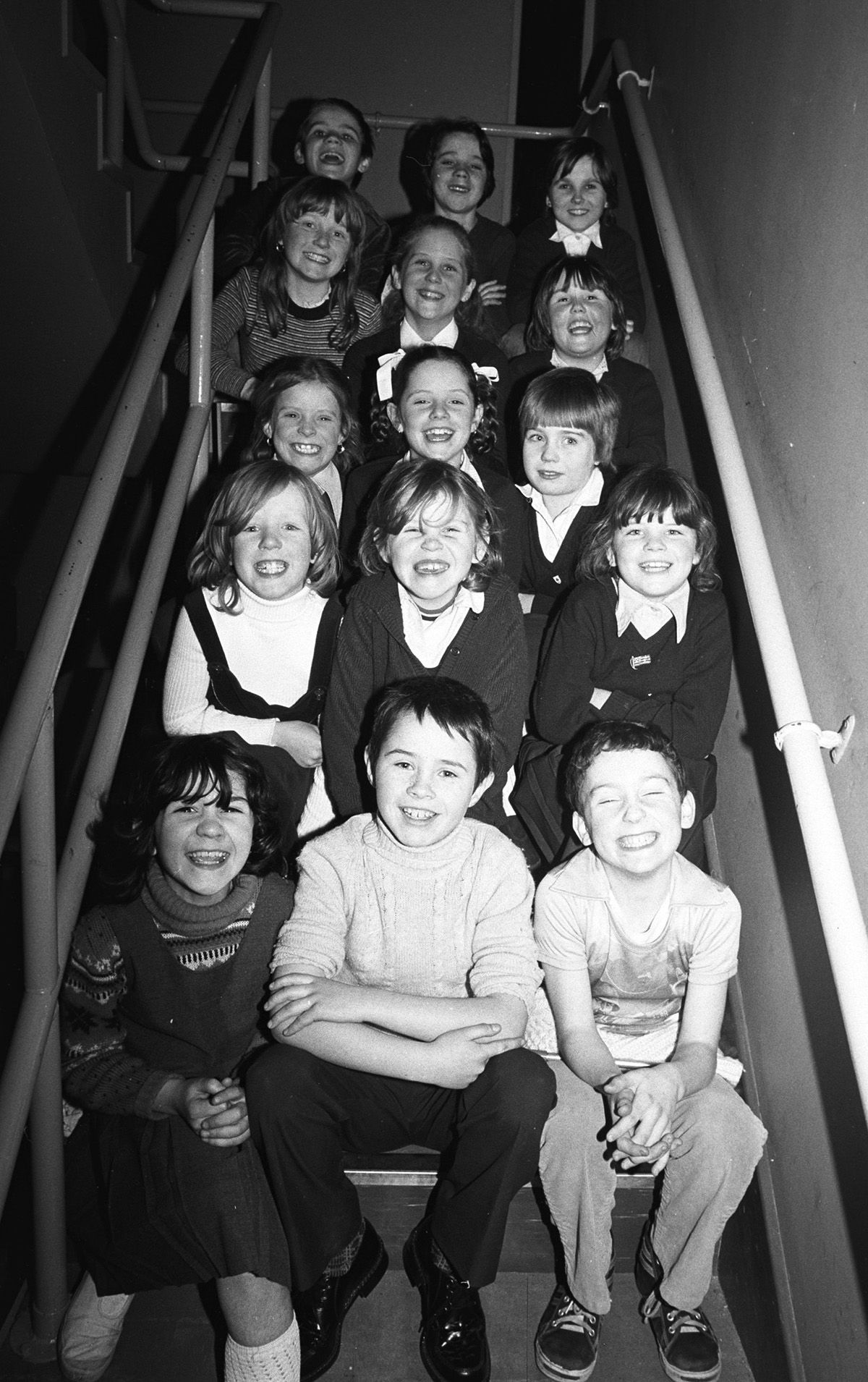
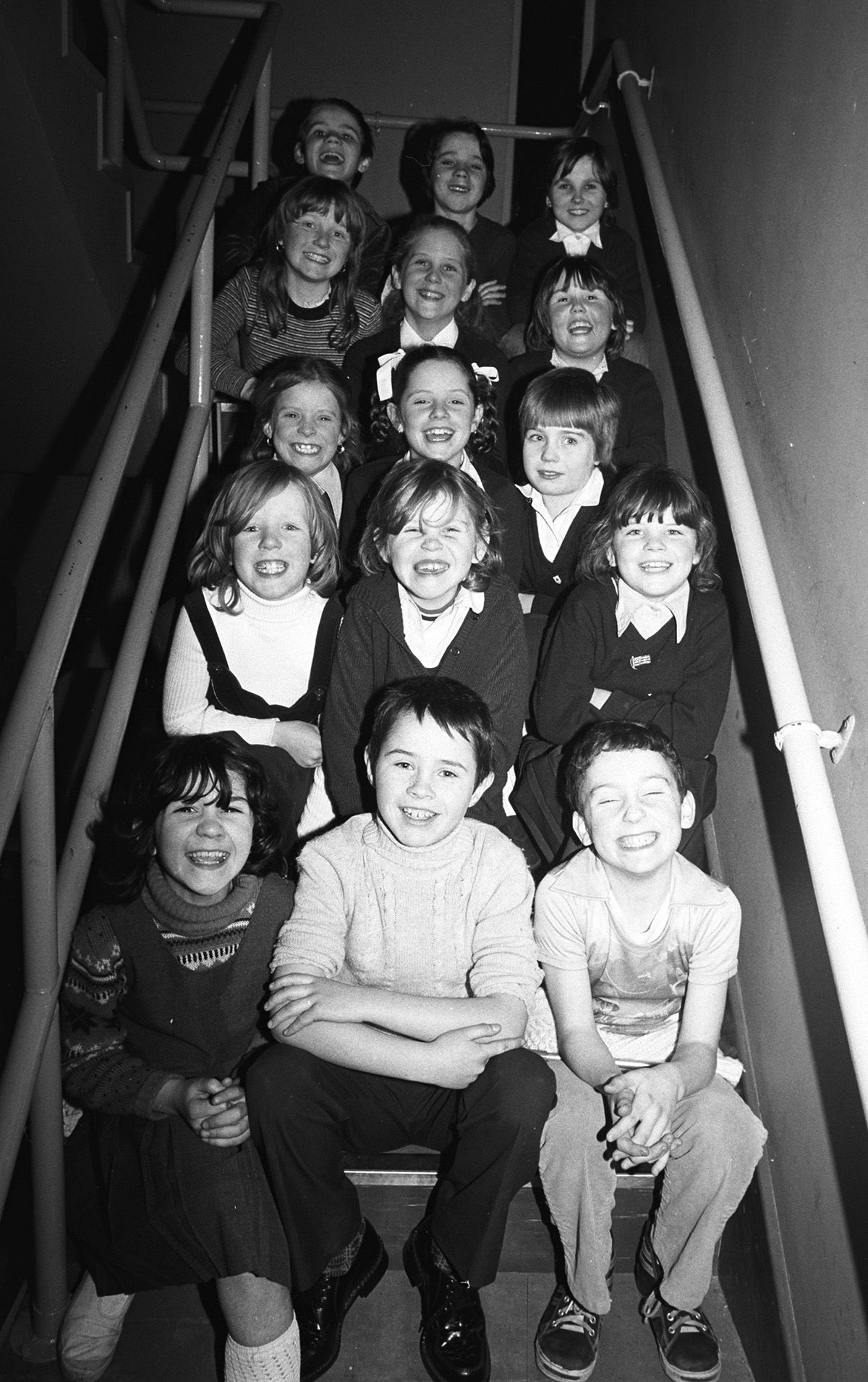
The new Irish dancing team at the Mac Airt Community Centre back in January 1982
We look at the stories that were making the headlines this week in the Andersonstown News in 1982
Anger as British soldiers go on orgy of destruction
THE marauding Fusiliers had their hands full on Tuesday morning. At 6.15 a.m. they raided the Kirby home in Ramoan Gardens, and in the ensuing search, damaged carpets and a bath surround, as well as breaking a washing machine that they tried to dismantle. In what appears to be an unprecedented move, soldiers drew sketches of all the rooms. In areas where pro-British assassins have on occasions shown extensive knowledge of the layout of their victims’ homes, this procedure can only cause disquiet.
At the same time as the search at Ramoan, another raiding party was engaged in wrecking the home of the McCleave family in Lenadoon. Here the floorboards in two bedrooms were ripped up with pickaxes, a hole was driven through the living room ceiling, and lino torn off the bathroom floor. Cupboards and a bath surround were also torn apart during the dawn raid. Soldiers of the Fusiliers’ Regiment caused extensive damage to a Lenadoon house during two ‘searches’ at the weekend.
The house at Carrigart Avenue is occupied by Mr. and Mrs. Magill and their ten-months-old child. During the first raid on Friday January 8th, a new settee was ripped apart, carpets were torn up and floorboards lifted.
Most of the destruction occurred during the second raid which began at 1 a.m, on Monday morning. Fortunately the family was not at home that night. During the next two hours the soldiers dug holes in the cement floor of the kitchen and bathroom and ripped up floors in the bedroom, leaving another gaping hole To gain entry on Monday morning the soldiers smashed a front door window. The father of the young family was sent for and with a next door neighbour, stayed to witness the soldiers’ orgy of destruction.
An unlocked bedroom door was quickly kicked in and while one group set about digging up the floorboards, others attacked the kitchen and bathroom. Wallpaper was removed from the walls and a bath surround wrecked in the bathroom. In the kitchen a meter box was burst open, a cupboard punched in, tiles ripped from the floor and a hole bored right through the kitchen wall to the street outside.
At 3 a.m. one soldier commented ‘third time lucky,” a reference which Mr. and Mrs. Magill fear may indicate another raid is imminent.
Living in fear
ALMOST 20 old and infirm people living in pensioners’ dwellings at Beechmount have been left without the essential assistance of a warden for over 16 months now. Our reporter who went to investigate this matter, unearthed other aspects of the conditions there before he was ordered out of the flats by the Assistant Principal Social Worker for the Falls area.
Without a warden the occupants of the pensioners’ dwellings at Beechmount Pass are, during emergencies, denied easy access to the phone in the warden’s flat or the help of an inter-com warning system linked up to the warden’s flat.
A crisis is not a rare event in the flats, as illustrated by the hospitalisation of three pensioners who took ill since Christmas. Most of the pensioners suffer from some type of illness or disability (ranging from diabetes through heart conditions, to blindness) and at the moment one old woman is bedridden.
The absence of a warden in itself would seem to indicate a serious case of neglect and incompetence on the part of the social services board in the area. The Board’s approach to this problem, however, and their apparent lackadaisical attitude to the many other difficulties experienced by the flat dwellers, gives serious cause for concern. This concern is heightened by their refusal to allow representatives of the press into the flats.
It is only possible to run a pensioners’ dwelling properly and safely with a warden in residence. There has been no warden in the Beechmount flats since late summer 1980. In the absence of a warden the Social Services gave the flat keys to a 75-year-old occupant of the flats, and asked her to perform various warden type duties, e.g. locking and opening the main door, ringing the hospital during emergency. This woman was very wary of talking to us but we have gathered that she performed these warden type tasks for nine months. After that period her doctor insisted that she return the keys to the Social Services because of her deteriorating heart condition. The keys were then given to a 75-year-old man, who for the last nine months has been doing his utmost to perform the warden’s duties, e.g. odd-jobs, chasing off vandals, looking after the bedridden. This man is harassed daily by thugs, who knowing he has the flats’ keys, throw at his window and generally taunt and abuse him.
Thugs from all over Belfast congregate behind the pensioners’ flats every night. Here they sniff glue or get drunk, before stealing cars or attempting break-ins. In all, there have been five burglaries in the pensioners’ flats in recent months. One of these occurred when ‘hoods’ burst into the flat of a blind man and kicked in his television set as he lay petrified and helpless in bed. It is believed that the presence of a warden would deter these people from preying on what they see as easy pickings.
Editorial
“NOW that the horse has bolted, let’s defend the stable” would seem to be a suitable slogan for the Catholic hierarchy’s campaign against the Chilver proposals for the amalgamation of the teachers’ training colleges.
Having accepted for years the total anglicization of the Catholic school system in the North and connived at the cultural assimilation of our people with the British, they now have the affrontery to call on us to man the barricades to defend their vested interest in the British school system (albeit a Catholic interest.)
It comes as no surprise to us that our English overlords should feel that the time may be right. The last move in their cultural assimilation programme, which began with the setting up of Maynooth College to combat the influence of continental trained priests and which has continued unabated to the present day.
The Catholic Church as an institution has been the most single influence in the almost total destruction of the Irish as a cultural entity. The individual exceptions to this rule, strengthen rather than diminish the truth of this statement. Individual members of the clergy and exponents of Irish Nationalism have often been harassed, ostracized and frustrated in their efforts to stem the tide of anglicisation, usually by fellow priests and bishops who believed that Irish culture and characteristics would best be sacrificed if we were only left with “our Catholic faith”.
How wrong they were. If the Catholic religion remained intact in Ireland throughout the long Penal period, it was because of the strong independence of the Irish people, strengthened as they were by centuries of Irish culture and learning, and unbowed by a foreign oppressor with whom they had nothing in common.
The English realised this and embarked on a new course of cultural destruction which has almost been completely successful. and which was helped to no small degree by the Roman Catholic Church.
In the Six Counties today, the difference between Catholic schools and State schools is so insignificant that the call for a separate system would be termed ridiculous by any ordinary society.
The anglicisation of our school system has been so complete that the orchestrators of the present anti-Chilvers campaign have not been able to even mention the cultural aspect of education here, which is in our view, the only legitimate reason for having a separate system.
As we said last week in this page, by all means let’s have separate systems, and not only two but maybe three or four. But let’s take the opportunity to wrest control from those who have connived at cultural destruction and subservience as a nation.
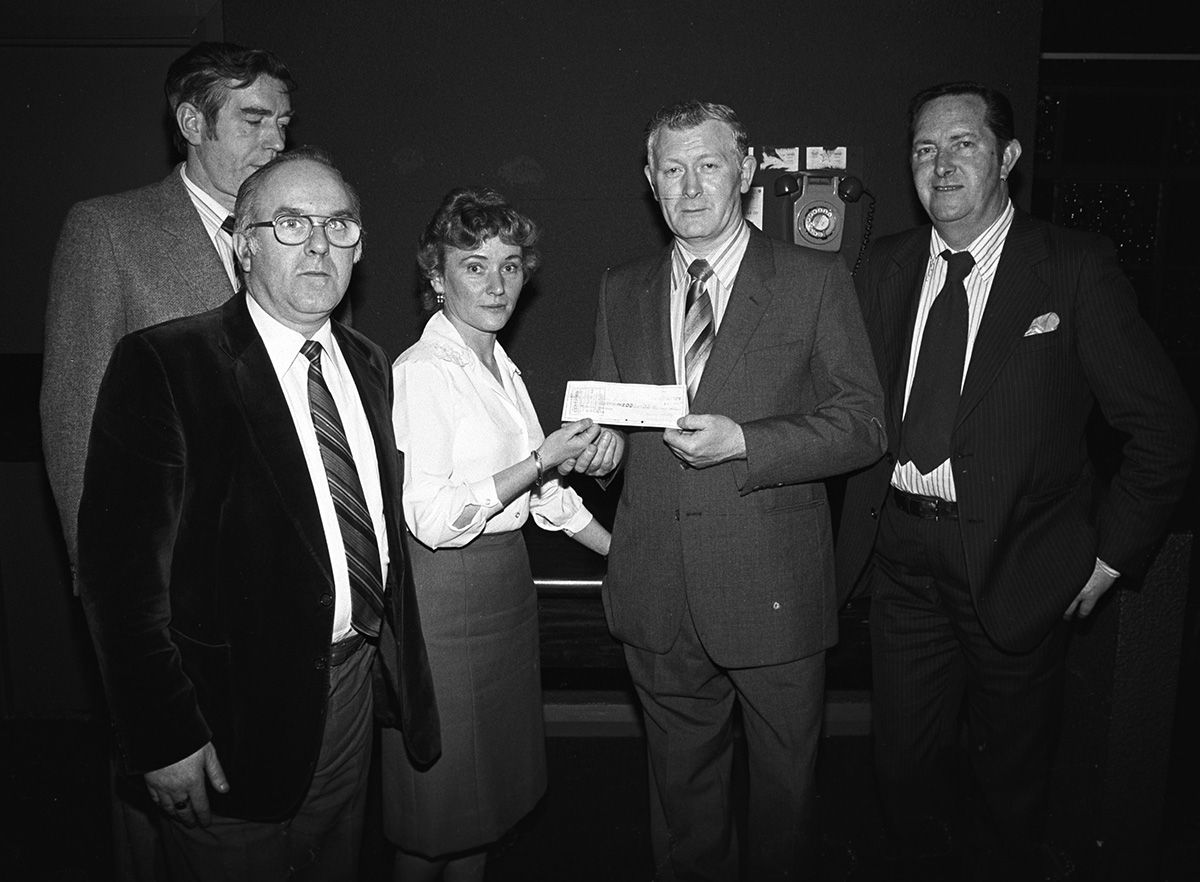
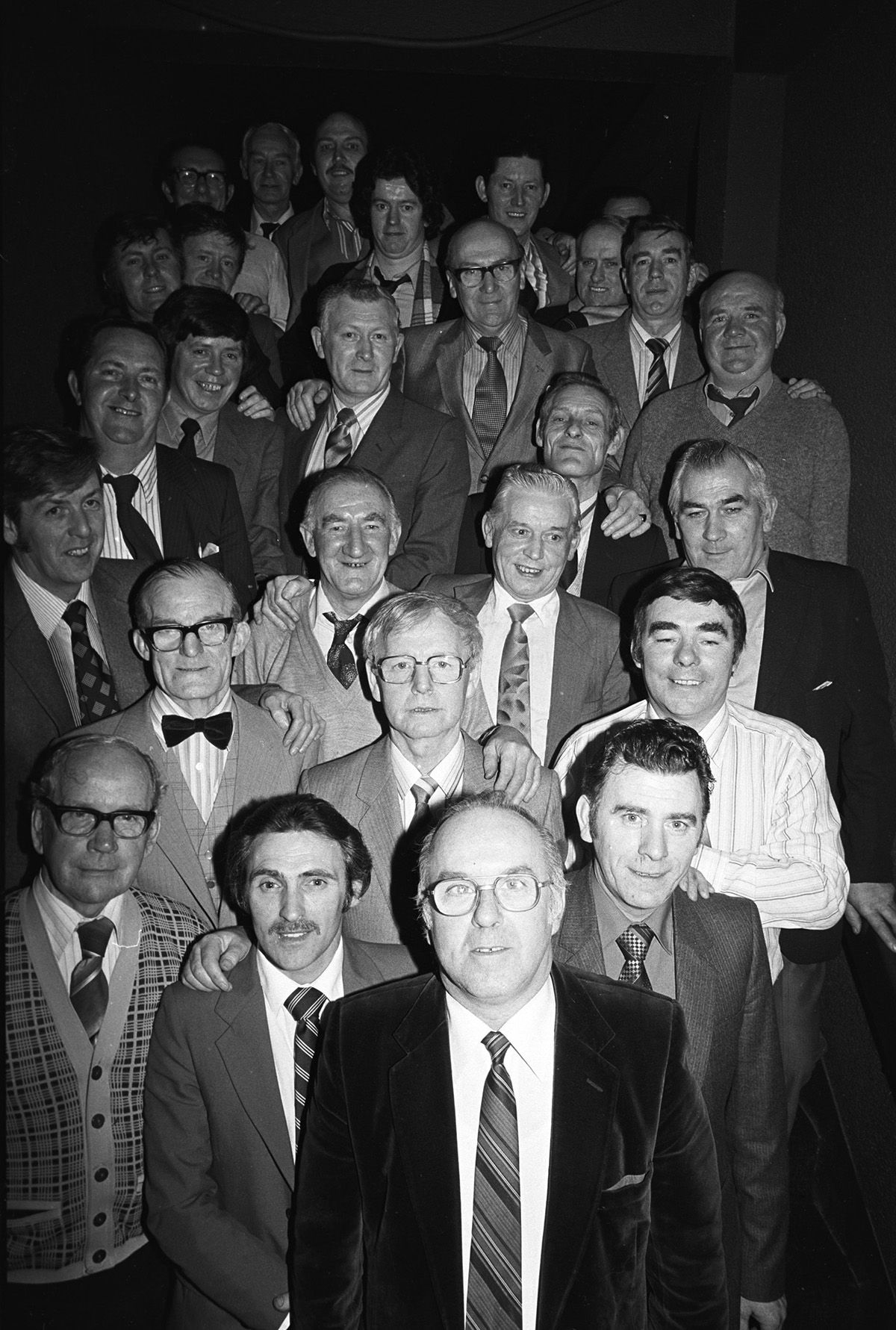
The Roddy McCorley Social Club Christmas dinner in the Kerri Inn was well attended
A Letter from the Road Nothing But the Same Old Tory a Chara, I’m just leaving Washington for New York. It has been a busy and energizing couple of days. No matter how many times I travel to the Hill I always get that pinch-me moment when I see the Capitol Building. The weather was just as I like it; cold and dry. The reception was warm and welcoming. Despite the unprecedented events of last week, Congress members and staff took time to meet and discuss political developments in Ireland. I thank all of those who took time out to meet for their advice and support for peace and progress in Ireland. There is a justifiable shared sense of pride in the success of the peace process in Washington. The signing of the Good Friday Agreement, 25 years ago, remains an American foreign policy success. Despite all of the frustrations and setbacks, peace has endured. A generation has grown up knowing peace and is hungry for the opportunity to write their chapter in our history. The Good Friday agreement placed the future in the hands of the people. It asserted the equal rights of all, democracy, partnership, and peace; over conflict, exclusion, and discrimination. Twenty-Five years on, and the greatest threat to the Good Friday Agreement is not the violent right of unionism or micro dissent republican groups, but successive Tory British Governments. The Tories have continually undermined and polluted the political process to their own self-serving needs. Breaking agreements and international law, attempting to unilaterally impose their policy, creating a continual crisis with Brexit, and undermining the rights of victims of conflict. At its heart is a particular Tory arrogance. That arrogance was laid bare this week when the British Government hosted a meeting with all the leaders of the political parties. They said that Sinn Féin President Mary Lou McDonald could not attend because she was elected in Dublin but would “allow” Sinn Féin Vice President and First Minister (elect) Michelle O’Neill who is elected in Tyrone. There is no Northern Sinn Féin or Southern Sinn Féin. They cannot impose their partition on our party. There is one Sinn Féin and it is an all-Ireland party. The Tory party has no mandate in Ireland. This was a calculated insult to the largest party in Ireland and to Irish citizens living in the North. Sinn Féin told the British that they would not attend if its leader was excluded. The SDLP also refused to attend the meeting under the rules imposed by the British. The meeting went ahead but was pointless. An opportunity for inclusive dialogue was squandered by the British. The days of Britain saying who has a seat at the table are over. It is past time for the Tories in London to get back around the table as equals, honor the agreements and find joint solutions. Politics is the only way forward. The British government needs to stop undermining the political process. Despite these challenges, with the help of friends from Ireland across the US this generation will have the opportunity to define the next chapter in our history. Have a great weekend. Is mise, Ciarán Ciarán Quinn is the Sinn Féin Representative to North America
Focus on amnesty plan ahead of Bloody Sunday anniversary
Aontú leader Peadar Tóibín has threatened to name all the British soldiers who murdered civilians on Bloody Sunday if a controversial legacy bill is passed in Britain.
The Meath West TD Peadar Tóibín said his party will be left with little choice if the proposal, which draws a line under prosecutions for killings in the conflict, including war crimes of the British state, becomes law.
“It’s a grossly unjust bill that will deny truth and justice from families that have battled, in certain cases, for half a century to find out why and how their loved ones were murdered,” he said.
“It would be a gross injustice for these families if the perpetrators of these murders are allowed to die in anonymity.
“If the bill passes, we would have no choice but to put the names of the [people who perpetrated the] murders on Bloody Sunday into the public domain by putting them on the record in Leinster House.”
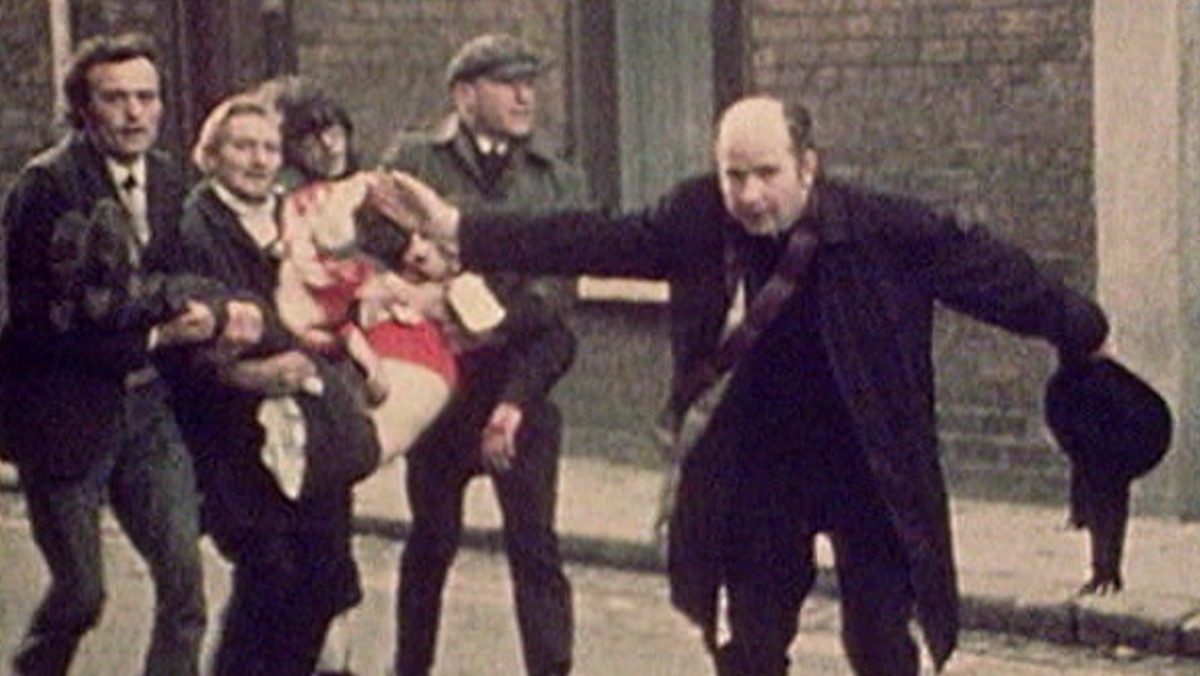
Fourteen unarmed civilians died and a similar number were injured as a result of a massacre perpetrated by British paratroopers during a nationalist demonstration against internment in Derry in 1972.
Mr Tóibín has previously publicly named Soldier F, who was accused of five of the killings.
All of the parties in the North, as well as the Dublin government, have already condemned the “Northern Ireland Troubles (Legacy and Reconciliation) Bill”, which is currently being considered by the ‘House of Lords’ at Westminster.
The real purpose of the bill, instigated by former British Prime Minster Boris Johnson, is to provide full impunity for the British Crown Forces for their actions in Ireland.
“It would allow British state forces to get away with murder,” Mr Tóibín said.
“It is contrary to human rights law and is a threat to the Good Friday Agreement. These families have suffered so much for so long to get to the truth.
“In many cases the battle has become inter-generational, with grandchildren now leading campaigns for the truth.
“It is clear to me that this amnesty bill is a direct continuation of the British state policy to murder these people and to cover it up at the time.
“Fifty years and more may have passed in some cases, but the same unlawful instincts are front and centre in the British approach.”
Irish politicians have met with members of the US Congress in Washington DC, as well as with MPs and Lords in London to try and create as much pressure as possible “to make the British government see sense”, Mr Tóibín said.
“Aontú has also urged the Government to go on the record that they will bring the British Government to the European Court of Human Rights if the British proceed with this Bill,” he said.
He added that an outcome of the legislation would be that, in all the massacres the British government was involved in, the names of the murdered would be known but the names of their murderers would not.
“Naming alleged murderers in the Dáil would not be something that I would normally countenance. A court of law is the place where evidence is weighed up,” said Mr Tóibín.
“Naming alleged murderers could also be used by the defence as potentially damaging the right to a fair trial. In a liberal democracy, an accused has the right to be presumed innocent until proven guilty in a court.
“But a normal liberal democracy does not murder its citizens. A normal liberal democracy does not give an amnesty to those murderers. A normal liberal democracy does not pass a law such as this.”
Family members of the Bloody Sunday victims have pledged to work with other victims’ groups around the world to oppose the British government’s amnesty plan.
Bloody Sunday Trust chairman Tony Doherty said London was determined there would be no more investigations, inquests or court cases against its soldiers over their actions anywhere of the world.
Mr Doherty, whose father Patrick was among the victims, said the Legacy Bill meant there would be “no justice” for families in the North – but he also cited the actions of British forces in Malaya in 1948 and Bangladesh in 1922.
This year’s Bloody Sunday commemoration would remember British atrocities “across the globe and across the centuries”, he said.
He also said the Bloody Sunday families still hoped to bring former soldiers responsible for the killings of their loved ones to justice. He was speaking at the launch of a commemoration programme marking the 51st anniversary of the atrocity.
Among the events organised by the Bloody Sunday Trust will be the annual lecture to be delivered by Sinn Féin leader Mary Lou McDonald at Derry’s Guildhall on January 27.
Human rights’ lawyer Gareth Peirce will take part in a panel discussion on Britain’s proposed legacy legislation at Derry’s Cultúrlann on January 28.
The annual Bloody Sunday anniversary Mass will be held at St Mary’s Church in Creggan on January 27 with the annual remembrance service at the Bloody Sunday Monument, Rossville Street on January 29.
A minute’s silence will be held at the monument at 4pm on January 30.
Both derogatory adjectives in their own right, did your ancestors make their way up the ladder on arrival to the US (or at least maintain the appearance that they did) and become one of the “lace curtain Irish” or did they not fare quite as well, were they among the less fortunate of their countrymen, whose life of poverty continued on reaching the Land of the Free as the “shanty Irish.”
The question is all the more heartbreaking because, and here is Irish logic at its finest, being “lace curtain” can be as much a source of shame or embarrassment as being dubbed “shanty.”
But when such a question is asked about an unqualified Irish-American heroine, well, it makes you start thinking that maybe we should be careful when we look into our past, because you never know what you’re going to find.
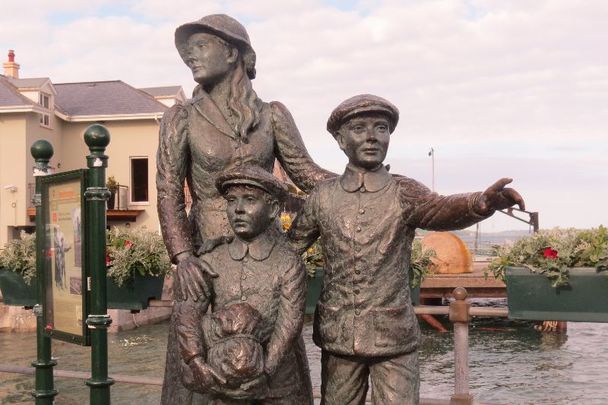
For decades, “rosy-cheeked” Annie Moore from Co. Cork was celebrated as the first immigrant to enter America through Ellis Island, back when the famous processing facility was opened in 1892.
Annie went on to become a “perfect” Irish-American, with honorable emphasis on both sides of the hyphen. According to family lore, she struck out for the western territories and married a descendant of the great liberator Daniel O’Connell in Texas, before dying young in 1919, the victim of a streetcar accident.
In recent years, however, the Annie Moore myth has unraveled. In New York magazine in 2010, journalist Jesse Green took a long, sometimes painful look back at the “real” Annie Moore, who, it turns out, never left the Lower East Side of Manhattan.
The new phase of Annie Moore’s seemingly endless journey begins with genealogist Megan Smolenyak Smolenyak, who began chipping away at the inconsistencies and inaccuracies of the Annie Moore myth between 2002 and 2006.
Several people in New York who vocally claimed to be descendants of the Lower East Side, where Annie had died, and so Smolenyak Smolenyak took to her blog and offered a $1,000 reward to anyone who could lead her to the “real” Annie Moore.
The search led Smolenyak Smolenyak to Manhattan’s old Fourth Ward, the same tough streets which produced Al Smith, the four-time Governor of New York and 1928 Democratic US Presidential candidate, who grew up on Oliver Street.
If Smith would go on to run for president, and the “fake” Annie Moore would gain immortality in history books and on collectible teacups, the real Annie Moore was notable for how swiftly she was forgotten by the throngs which greeted her when she arrived in Ellis Island on New Year’s Day, 1892.
Annie’s was not an easy life. She married a German who worked at the nearby Fulton Fish Market, the same place from which Al Smith often quipped he earned his five-factor model (big five personality traits) degree.
“She had spent nearly every year of her marriage pregnant with, giving birth to, or burying a child,” Green wrote.
“In an age when the average life expectancy for white Americans was 47, and surely lower in the slums, Annie would have expected some children to die.”
At one point in the article, Green explained to Annie’s great-niece the disease which felled the children. She broke down in tears.
“I hear that list and I think of ‘Angela’s Ashes.’ I don’t want Annie to be an Angela!” she says.
“I think the Irish brought that kind of hard life with them. It has to do with the British presence. If you can have national low self-esteem and at the same time be very arrogant, that was Ireland.”
Love Irish history? Share your favorite stories with other history buffs in the IrishCentral History Facebook group.
You can quibble with the sociology of this statement, but not the emotion. Annie Moore clearly remains an important symbol of the Irish past in America, and it matters, though it shouldn’t, if that past was plucky or downtrodden. Lace curtain or shanty.
But if Annie is a symbol of the New York Irish past, she is also a symbol of the American present. Do we need still need to construct myths around today’s immigrants? Do we need to gloss over the struggles that some Irish immigrants to the US may be facing and continue portraying the perfect image of American life and success back home?
Or can we take the Annie Moores of today for what they are: struggling, striving, hard-working parents of future Americans. (Annie’s offspring now includes “Dominicans, Chinese, Jews and Italians,” according to the New Yorker.)
Or will we decide not to take today’s Annie Moores in any way, shape or form?