July 8, 1981: Joe McDonnell dies after 61 days on hunger strike
July 08, 2021 09:05
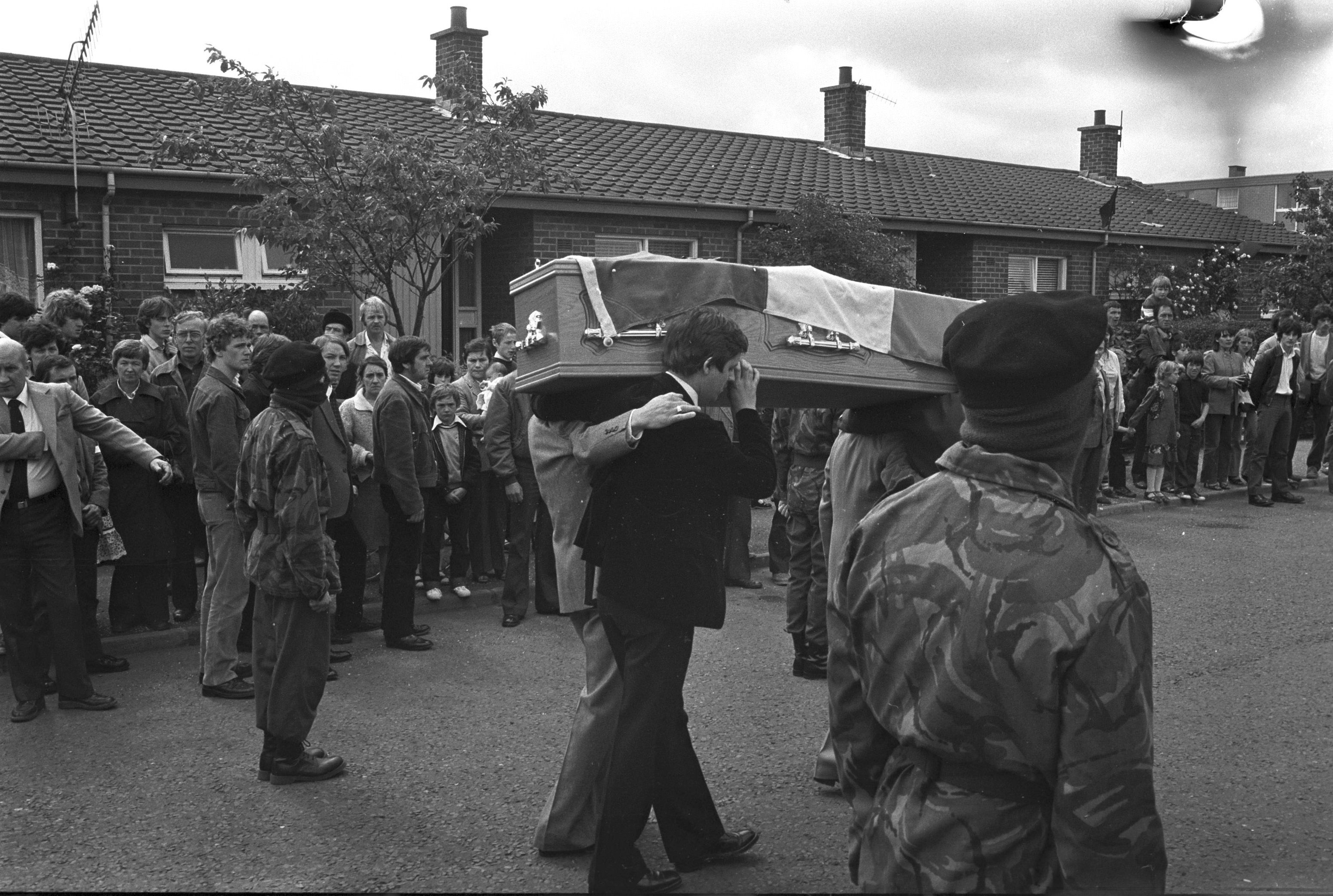
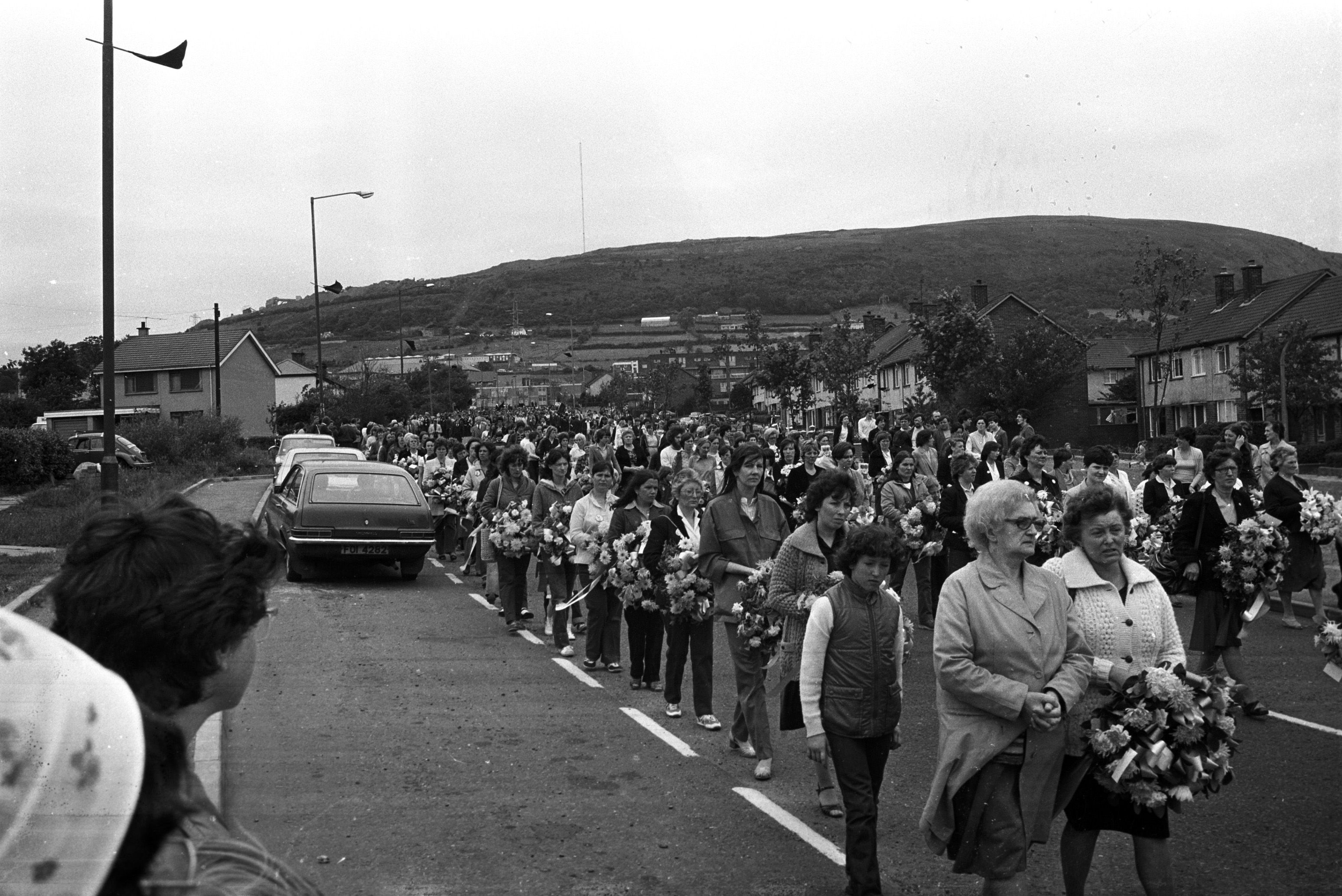
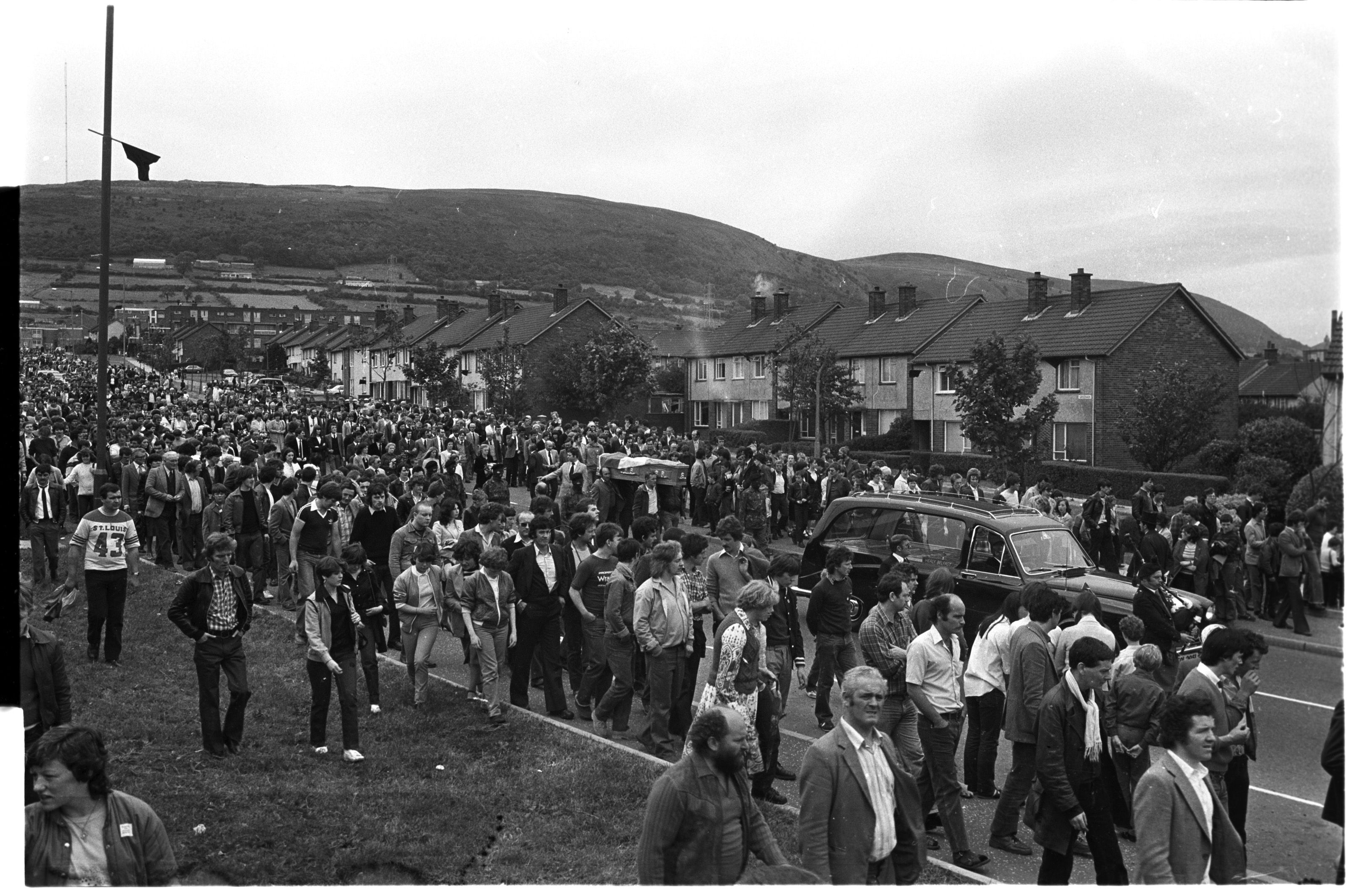
FINAL JOURNEY: Joe McDonnell’s coffin is carried up Lenadoon Avenue onto Glenveagh Drive on its way to St Oliver Plunkett Church in Lenadoon
We look back at the stories that were making the headlines in the Andersonstown News this week in 1981
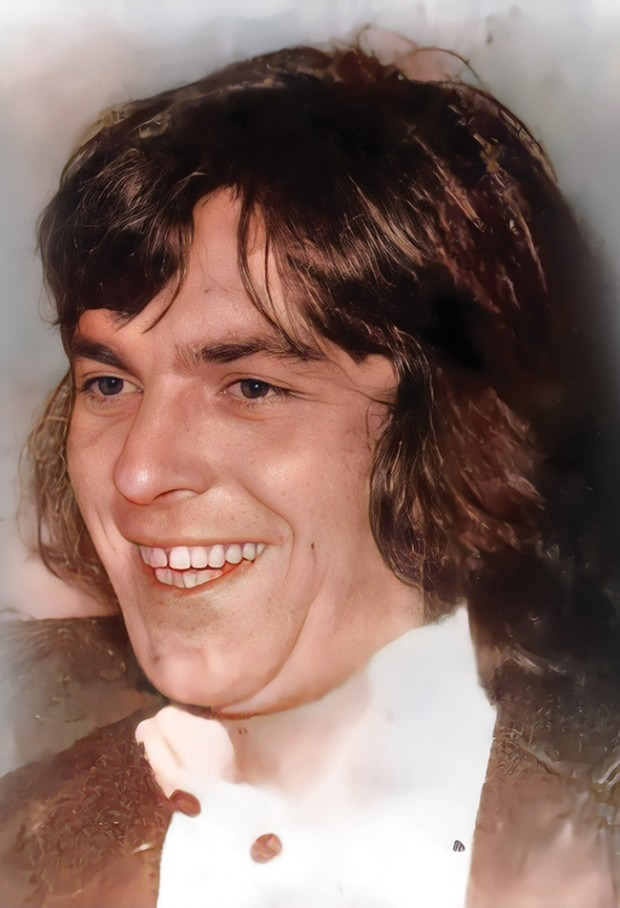
IRA Vol Joe McDonnell dies on hunger strike
THE people of Andersonstown showed their support and solidarity with Joe McDonnell, and on his death have expressed their sympathy and sorrow to his widow and children.
At the same time they feel a burning sense of pride that such a stalwart human being lived in their midst. They also realise, as never before, that England, and her way of life, is the sworn enemy of every man, woman and child in this country, and they are spurred on to even greater efforts to be rid of England once and for all.
Their very presence contaminated us all. In the past forty-eight hours two people from the Andersonstown area have died at the hands of the English – Joe McDonnell after a long and painful hunger strike – and sixteen-year-old John Dempsey, as he showed his solidarity with Joe and his comrades. To both their families we extend our sincere sympathy.
A statement from the National H-Block/Armagh Committee (NHBAC) reads: “NHBAC extends to family and friends of Joe McDonnell and his comrades in the H-Blocks and Armagh, our deepest sympathy.
“This further death in the H-Blocks at the hands of the British Government, must be condemned by all those people who have for so long worked for a solution to the H-Block crisis. This death, like the previous deaths, could have been avoided had the British acted with good faith and humanity.
“But the Irish people have learned to expect nothing else but treachery from the British. We have always resisted their oppression and we will continue, and justice will win out in the end, so long as there are people as brave as Joe McDonnell and his deceased comrades, carrying the torch of freedom and justice.
“Before even further tragedy occurs in the H-Blocks, we call upon the British Government to implement the five just demands of the hunger strikers and protesting prisoners.”
Editorial July 11, 1981
THERE’S nothing we can say about the death of Joe McDonnell that hasn’t been said already about the deaths of his comrades, Bobby Sands, Francis Hughes, Raymond McCreesh and Patsy O’Hara.
There’s no honour we can give him that would have any meaning, just as our sympathy for his widow, children and family circle would be totally inadequate.
Nevertheless, his courage, determination and absolute integrity, as opposed to the opportunism and dishonesty of his killers, must be mentioned, because these were of the highest order, befitting the cause of Irish freedom for which he lived and died.
To call people like Joe McDonnell criminal is a blasphemy. Irish Nationalists have never accepted Britain’s criminalisation of Irish Republican prisoners. Can even their worst enemies now doubt their heroism and commitment to this just cause?
And, it’s impossible to over-praise the courage, dignity and loyalty of Mrs McDonnell and the McDonnell family. Given the deaths of the first four hunger-strikers and the raising of hopes because of the efforts of the Irish Commission for Justice and Peace, it would have been relatively easy to compromise, to give in, in the hope that an easy solution could be found, and, in a desperate effort to save lives, to pretend that the British Government’s intentions in the negotiations were honourable.
However, the family’s loyality to the dying men and his comrades and to the memory of the dead hunger strikers, was too great for them to take the easy road. No one can take that away from them, and it will be some consolation to them in the terrible burden of sorrow they now have to bear.
If saving lives and an honurable solution had been high on Britain’s list of priorities, Joe McDonnell wouldn’t have died yesterday. And Humphrey Atkins’ statement on Wednesday morning, denying having negotiated through the Commission, is a clear indication of their tyranny and lust for blood.
Solas sioraí d’anam Joe McDonnell agus cabhair Dé dá mhuintir atá faoi bhrón.
Attack on Beechmount hunger strike vigil
A TWENTY-FOUR hour token fast, organised jointly by members of the Beechmount/Iveagh, Colin and St James’ Hunger Strike Groups was the target for physical and verbal attacks from the British army at the weekend.
The Beechmount/Iveagh Youth Against H-Blocks erected a makeshift cell and manned a stall distributing literature relating to the Maze hunger strike. A middle-of-the-road picket was held, and a collection for the H-Block campaign met with a very generous response from the public.
The obvious success of the demonstation was resented by the British army who careered wildly around the vigil in several armoured cars, at about four in the morning, almost demolishing the mock cell and a caravan generously loaned by an individual for the use of the protestors.
The soldiers, who were under the influence of drink, kicked one young man, manhandled another, and threatened the fasters with plastic bullet guns and an alsation dog. Eventually they left shouting UDA slogans and cursing the Pope.
The vigil and the fast continued its course undeterred, and the Beechmount/Iveagh Hunger Strike Committee was greatly heartened by the endeavour put in by the youth of the area, the response from the public and the willingness of local traders and individuals to provide facilities.
I was cautiously optimistic when I heard news of a two-part documentary on the organisation scheduled for release in November 2024.
Although the release date was subsequently pushed back twice, it will now be aired on two Wednesdays in July, the 9th and 16th respectively on RTÉ. I was fortunate to view an advanced copy of the documentary and, thankfully, it does not disappoint.
Written and directed by Kevin Brannigan alongside producer Jamie Goldrick, this retelling of the complex story of INA and of their activities during the conflict in Northern Ireland is well worth the wait.
Brannigan also directed Kerr’s Kids, an excellent 2018 documentary about the former Republic of Ireland manager Brian Kerr and the underage soccer success in major tournaments in the late 1990s that I thoroughly enjoyed as an avid soccer fan.
The main reason for anyone to check out the documentary is the excellent archival footage and old images that are featured throughout.
This is combined with firsthand accounts from former INA members, other activists, former FBI members and convicted gunrunners, providing an eclectic mix of characters, each with their own stories of how they got involved in political activism.
The point is made effectively throughout that there were all sorts of different people who joined INA, particularly in the aftermath of the 1981 Hunger Strikes. Despite attempts to label Irish American supporters of the Republican movement as “misguided” or “ignorant,” the documentary illustrates that many were well versed on Irish history or were given the opportunity to see daily life in the Six Counties, often staying with a Nationalist family.
The first episode begins with images from an INA dinner dance, including a passionate speech from Michael Maye, former leader of the Irish American Labor Coalition and a regular speaker at such events.
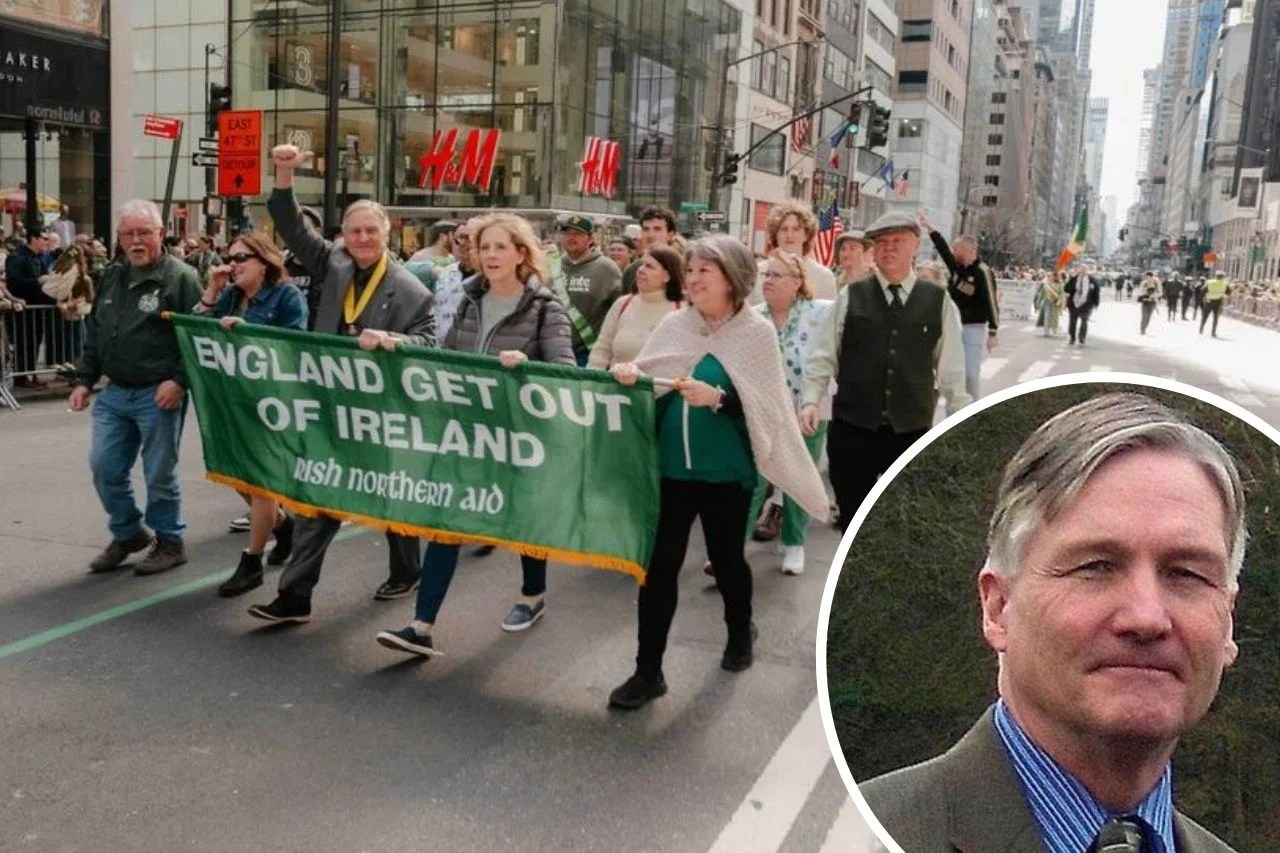
Several INA members feature prominently in the episode, alongside others such as Bernadette McAliskey and Danny Morrison. These include Martin Galvin, longtime publicity director of INA and editor of the Irish People newspaper, John McDonagh, a radio host on WBAI in New York and briefly editor of the Irish People, and Michael Shanley, the youngest of the three and arguably most well-known for his arrest in January 1988 for protesting the visit of Sarah Ferguson, the ex-wife of Prince Andrew.
Sensibly, the episode runs largely chronologically, charting the inception of INA coinciding with the formation of the Provisional IRA in late 1969 and early 1970. In its early days, INA consisted predominantly of Irish-born men who had participated in the Irish Revolution (1912-23) and immigrated to the U.S. in the 1920s.
Martin Lyons was an exception as a founding member who came to America in the 1950s but was a veteran and born in Galway. In its early days, the organisation worked out of a small office on East 194th Street in the Bronx. Bloody Sunday, the murder of fourteen innocent civilians in Derry by the British Parachute Regiment in January 1972, was the first event to push INA to a larger audience in the U.S. and significantly increase their fundraising capacity.
The death of Bobby Sands and his nine fellow hunger strikers in 1981 created international headlines but none more so than in the U.S. where INA were uniquely positioned from the 1980 Hunger Strike campaign to publicize this conflict to an American audience growing more concerned about events across the Atlantic.
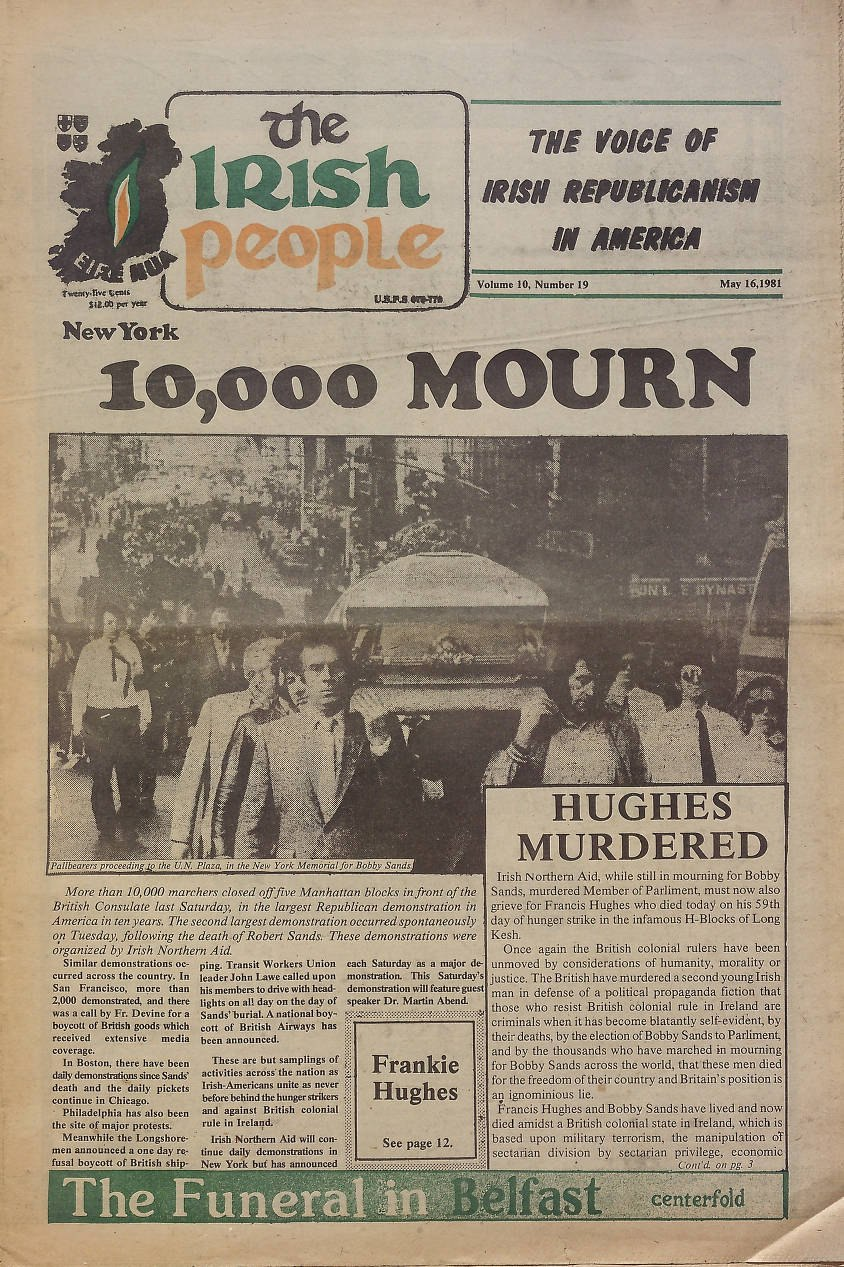
The documentary shows the image on the front of the Irish People in response to Sands’ death, as well as footage of the protests that included a demonstration against the visit of Prince Charles to New York in June, 1981.
Episode Two focuses more on the gunrunning aspect of Irish American involvement in the conflict, featuring prominent participants such as John Crawley, author of “The Yank” and regular speaker at Republican commemorations, Pat Nee of South Boston and James “Whitey” Bulger fame.
It also includes an interview with FBI agent John Winslow speaking about the well-known New York trial involving Michael Flannery, George Harrison et al in 1982 that was a key moment in the history of INA.
The acquittal of Flannery and the four others was a pivotal victory for supporters in the U.S. coming off the back of the end of the hunger strikes the previous year. It also indirectly led to the nomination of Flannery as Grand Marshal of the New York St. Patrick’s Day Parade in March 1983, a case study itself of the divergence of Irish America and the Dublin government, the latter of whom boycotted the parade.
The documentary concludes with a focus on the eventual granting of a visa for Gerry Adams to travel to the U.S. in early 1994, a key precursor to the ceasefire declaration by the Provisional IRA the following August.
Importantly, that campaign had started much earlier, with an increased interest by the Democratic Party in Irish affairs after the hunger strikes, initiated by people such as New York Assemblyman John Dearie. Both President Clinton and his opponent, Governor Jerry Brown, made commitments on an Adams visa and a special envoy in April 1992 at the Irish American Presidential Forum in Manhattan, and the former eventually followed through on these, playing a key role alongside Senator George Mitchell, in mediating later peace talks.
Overall, this documentary tells an important story and has great access to many of the key players involved with INA and in the Irish American community. It weaves a well-constructed narrative, including some comments from individuals which had not previously appeared on public record.
It continues the trend of a recent focus on INA and Irish America, seemingly prompted by the 2022 release of my book on the subject. On that note, if any readers wish to learn more about many of the topics discussed in the two-part series, my book is available online with a special 70% discount and shipping across Ireland, Europe and the United States.
MALE ORDER: Get the teapot on, girls, and lay out the traybakes, but leave the complicated stuff to the brethrenMALE ORDER: Get the teapot on, girls, and lay out the traybakes, but leave the complicated stuff to the brethren
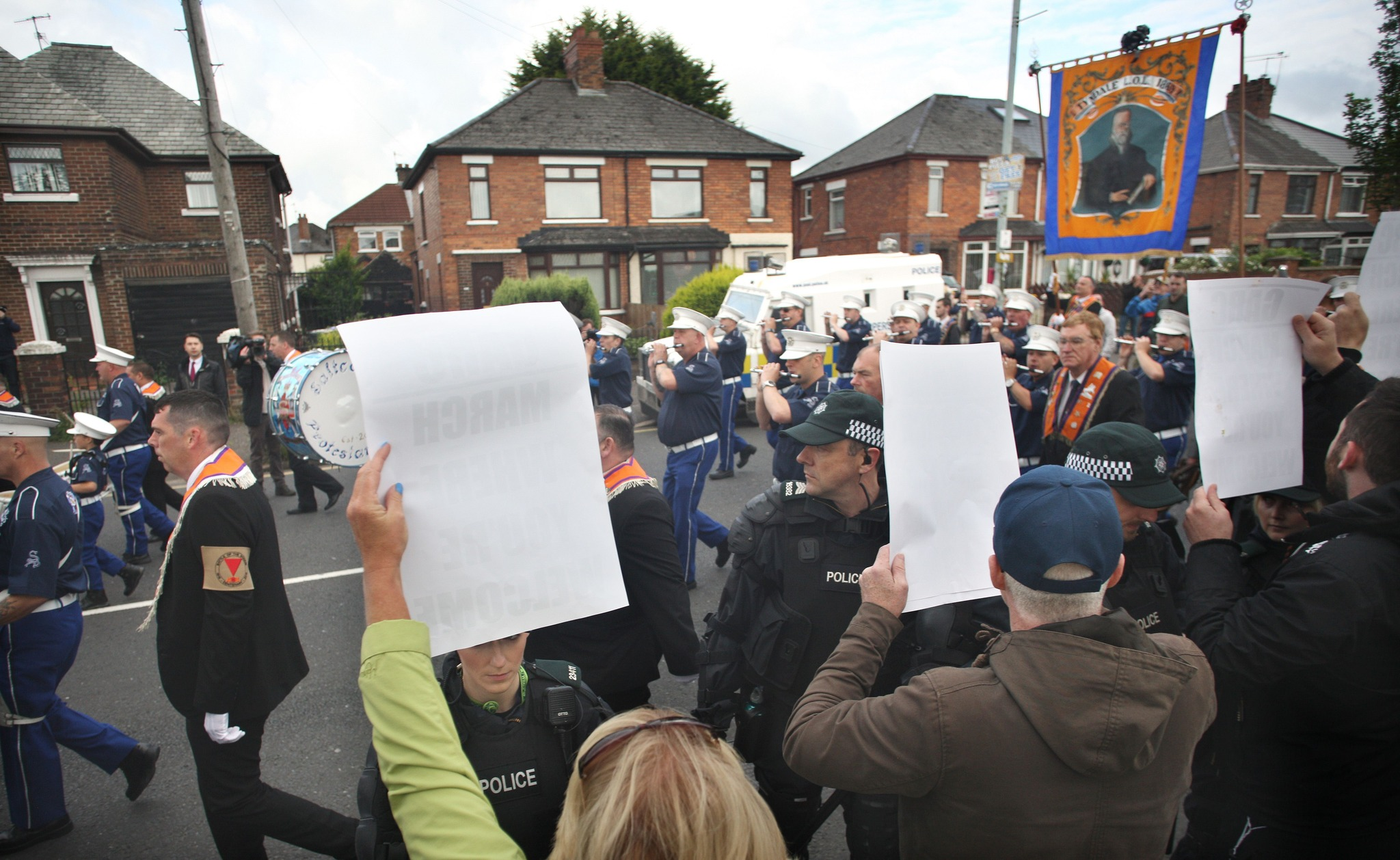
IT is of zero importance to BBCNI, UTV, the Belfast Telegraph and the News Letter that the Orange Order literally exists because it doesn’t like the Church of Rome. Every year the broadcasters do happy-clappy round-ups of parades across the North, studiously avoiding those aspects of the parades that ensure the pubs of Donegal and the beaches of Benidorm are packed in July.
The editing required to turn out copious air hours and endless columns free of the dodgy stuff is Olympic standard, because the dodgy stuff is everywhere. You’ve the bands churning out hateful, anti-Catholic party tunes.You’ve got the bands actually and literally named after yer UFF and UDA characters.You’ve got the Homeric drinking, which in Belfast reaches its apotheosis among the heaving, sweating, guldering crowds in Sandy Row, Bradbury Place and the lower Lisburn Road. Not only would you not take a child by the hand through the drink-sodden, marijuana-scented, foul-mouthed chaos of that area on the Twelfth, you’d think twice before taking a unit of Navy Seals in full combat gear through it.
But of all these key features of the Belfast Twelfth there’s no sign in the evening TV specials and the multi-page newspaper pull-outs the next morning. What you will see is smiling women in union jack cowboy hats, possibly tipsy but never three bottles of Buckie in. What you will see is elderly people in deck chairs drinking tea from tartan flasks and eating sandwiches neatly wrapped in tinfoil. What you will see is toddlers with red, white and blue tin drums performing for their doting parents. What you won’t seen is Sandy Row/Bradbury place. What you won’t see is so much as a single bottle of blue WKD. What you won’t see is a loyalist paramilitary killer on a banner.
What you’ll hear is How Great Thou Art, Shall We Gather at the River and – at a push and in meagre portions – The Sash or Derry’s Walls. What you won’t hear is The Famine Song (aka The Sloop John B), The Billy Boys (aka The One About Blood and Fenians) and No Pope of Rome (aka Pope Francis Died Ha Ha Ha).
The BelTel and the News Letter have it easy, relatively speaking. The photographers are sent out with a brief to by-ball the unpleasantness and anything that is inadvertently captured – a bandsman pissing against a chapel, a stray two-litre bottle of Olde English – are easily cropped out. Pity the poor BBC Ulster and UTV editors, however. They’ve to trawl through a huge amount of footage from all over the place, sighing and clipping as they go, ever alert to the slightest Twelfth contraindication. And they have to do it in time for the evening special. There’s got to be a Bafta in that if they can find the right category.
So we’ve established not only that the majority of our media outlets are gloriously unbothered by the Twelfth’s Catholic problem, but that they go to considerable lengths to cover it up. We move on then to ask ourselves whether it might not be more profitable for those of us who think the summer might be better without asbestos boneys and Catholic-slashing singalongs to consider whether BBCNI, UTV, the BelTel and the News Letter might not be more moved and concerned by another targeted cohort: Women.
Because women aren’t allowed in the Orange Order. If you say that, as I have on many occasions, you’ll get – as I have on many occasions – the same response every time: That’s not true. But it is true.
Sure, there’s an organisation that women can join that is vaguely linked to the Orange Order. The Association of Loyal Orangewomen of Ireland is a satellite organisation in which women are free to make tray bakes and unfeasibly large pots of tea; they can wash and iron sashes; polish medals; darn shabby banners; hell, they can even walk on the Twelfth if they’re so minded. But not with the men. ‘You walk over there, love, go easy in them high heels and maybe head back early to get the kettle on.’
And of course, they’re not allowed within an ass’s roar of the Grand Lodge, the Orange Order’s controlling and decision-making body. There are no women on the key 18-man Central Committee of the Grand Lodge, the holy of holies where the big decisions are made (the clue’s in the phrase ’18-man’). And there are no women in the 373-man Grand Lodge proper.
If being obsessed with Catholics and Catholicism isn’t enough to persuade our modern media that a rethink is required over their love affair with the bowler-hatted ones, shouldn’t the exclusion of women lead to a reimagining of the Orange Order’s inclusion in our celebratory calendar? I assume that women work on the Twelfth newspaper supplements. And I can only take it for granted that women are in the BBC and UTV editing suites when the don’t-scare-the-horses specials are being compiled. What do those women journalists think of inviting us to join them in three hurrahs for an organisation that won’t have them about the place? And even more to the point, what do Catholic women journalists think?
Will they continue to keep quiet and knit, as the Orange ladies do? Or will they say something about it?
Man who was face of IRA in US on escaping arrest from RUC, ‘traitor’ Denis Donaldson and why he had to ‘stand aside’
Ahead of a new RTE documentary, the Belfast Telegraph looks at the role played by Irish Americans during the Troubles
Martin Galvin, the former director of Noraid, which is believed to have provided millions in funding to Sinn Fein over the course of the Troubles
Suzanne Breen
Yesterday at 01:21
For almost two decades, he was the public face of the IRA in the US. New York lawyer Martin Galvin was regarded as so dangerous by the authorities here that he was prohibited from entering the UK.
In August 1984 he defied the ban to appear at an anti-internment rally in west Belfast.
“I was brought across the Donegal-Derry border by republicans,” he says. “We walked miles through woodland. It was summer, but it was a cold, rainy night.”
Galvin never got to address the thousands gathered outside Connolly House in Andersonstown.
Gerry Adams introduced him on stage. As the lawyer took the microphone, the RUC moved forward, firing plastic bullets, in an attempt to arrest him. Twenty-two-year-old Sean Downes was killed. Galvin jumped off the platform.
As the RUC entered Connolly House, he was able to escape. “I’d a black coat on underneath the white one I was wearing. I put on a cap and glasses that were in my pockets,” he recalls.
“A young woman grabbed my hand and took me to a nearby house. It was only when in the attic there that I’d time to be afraid.”
Galvin is speaking to the Belfast Telegraph ahead of a two-part RTE documentary, Noraid: Irish America and the IRA. It tells the story of the US citizens who raised millions of dollars for the republican movement.
The lawyer, who was Noraid’s publicity director, knew he’d have to escape after addressing the rally, but nobody had anticipated the RUC would forcefully storm the crowd, he says.
He claims that just one republican present didn’t seem surprised at the turn of events. “The only person who didn’t look stunned was Denis Donaldson,” Galvin says. “He was chief steward at the rally. He was present for discussions leading up to my appearance. I’m convinced he’d told his handlers everything.”
In 2005 Donaldson admitted to being a British agent since the 1980s. A few years after the anti-internment rally the republican movement sent him to work in New York. He hated Galvin. “I’d clear evidence he was a traitor,” the lawyer says.
“I presented it, and expected him to be investigated. However, I was told that his credentials were impeccable, that he was beyond reproach and had the full confidence of the Sinn Fein leadership.”
The RTE documentary interviews Noraid members in their homes and workplaces. They give their account of involvement in an organisation which was loathed by the British and Irish governments, and the White House.
In his yellow cab, taxi driver John McDonagh says: “New York City has always been the cockpit of Irish republicanism, and it was a great honour when they read the Proclamation at the GPO. It said ‘the exiled children in America’ — and you’re looking at them.
“Irish Americans have been part of the conflict from the 1800s. With the split of 1969, New York went with the Provisionals.”
Galvin says Sinn Fein knew Noraid members were “their friends in America — the people they could count on”.
Millions of dollars went to Ireland. Every American visitor could legally take over up to $10,000. The money would be brought to the Dublin office of IRA prisoners’ support group An Cumann Cabrach.
Noraid held fundraisers across the US. Limerick-born priest Fr Patrick Moloney, who worked with underprivileged youth in New York, sold raffle tickets at dinner dances.
In the documentary he jokes about wearing a big sleeved robe. If someone bought two tickets and handed him $50, he’d say “I won’t insult you by giving change.” A painting of the Last Supper by republican prisoners in Portlaoise hangs in his home.
During the 1981 hunger strike Noraid held daily protests in New York. Children banged bin lids on the streets, and effigies of Margaret Thatcher were burned.
Michael Shanley grew up at protests: “There was never a card-carrying membership. You showed up, you went to meetings, you participated.”
He sold pro-IRA bumper stickers, posters and badges. “We couldn’t sell that stuff fast enough,” he explains.
Noraid’s Irish People newspaper, which Galvin edited, had subscriptions “in every state of the Union with the exception of Hawaii”, Shanley recalls. Brigid Brannigan says activists “changed careers to be sure they’d enough time to give to the cause”.
Galvin, whose grandfather came from Co Offaly, visited Ireland as a law student. He joined Noraid in 1976.
“Queen Elizabeth visited as the US celebrated 200 years of independence. I saw the hypocrisy of that as Ireland was denied freedom,” he says.
“I was an assistant district attorney. I was doing really well. I won a lot of cases. At some point I was hoping to become a criminal court judge. Becoming involved in Irish Northern Aid put a halt to that.”
Galvin flew to Ireland regularly to discuss political and media strategies with Adams and other senior republicans.
Former Sinn Fein national publicity director Danny Morrison tells the documentary that Galvin once sent over a journalist from Playboy to interview republicans. “A lot of women in the movement weren’t pleased, but it got massive publicity,” he explains.
Galvin defends his decision. “It got the Irish republican message to people far beyond the traditional audience. Playboy had a huge reach,” he says.
“It wasn’t regarded as badly then as it is now. It did VIP interviews including ones with President Carter, Yasser Arafat and Lech Walesa.”
In 1983 McDonagh rented illuminated billboards in Times Square to send Christmas messages to IRA prisoners, which flashed across the screens every 12 minutes.
He tells the documentary he’d said he was a member of an Irish Catholic charity when booking the advertising. “They never asked me what type of charity,” he recalls. “I said I wanted to send season’s greetings to the Irish people. They never asked what type of Irish people. I didn’t offer what type.”
The messages ended with UTP — Up The Provos. The company had thought it meant Up The Pope.
Hours after Bobby Sands died on hunger strike in 1981, Noraid had organised a march with demonstrators carrying a coffin from the British consulate to UN headquarters. Weeks later a protest was held at the Metropolitan Opera House as Prince Charles attended a gala performance of the Royal Ballet’s Sleeping Beauty.
Four hunger strikers’ families addressed the rally. New York Mayor Ed Koch batted off complaints about the protest.
Complaints about NYPD officers’ support for republicans similarly fell on deaf ears. Chris Byrne joined the force in 1983 and played in its pipe band, which visited Ireland the following year.
When playing at the Rose of Tralee contest in Kerry, the band decided to also join a Sinn Fein hunger strike commemoration in Bundoran. Byrne recalls his bosses and Mayor Koch paying no heed to gardai complaints.
The band’s participation challenged the negative stereotype of US-born Irish republican supporters, he argues. “Next thing you have a contingent of Kojaks coming down the road, it was very hard to write that off,” he says.
The Rev Ian Paisley’s claim that there was “an active service unit in the NYPD” was “preposterous”, the former policeman says. He views the band’s Bundoran visit as “a great moment altogether” and perhaps its “proudest”.
Noraid always rejected claims the money it raised really went to the IRA. Former Provisionals interviewed in the documentary support that denial. Gabriel Megahey was jailed for arms smuggling. “The FBI said I was the officer commanding US and Canada,” he says.
“We didn’t need Irish Northern Aid money. There were people here, contractors. If I needed money I’d go to them and get it.”
Megahey discloses how IRA members took weapons over on the QE2. “You’d be walking out the dock gate and the next thing the seams of your trousers would be busted (with) the barrels sticking out. How we got away with it,” he adds.
John Crawley, a US Marine from Chicago who joined the IRA, says going near Noraid would have been “suicide” as its open membership meant undercover FBI agents could join.
Yet some members of the organisation were involved in gun smuggling. Its founder, 79-year-old Michael Flannery, was charged with arms offences with four other men in 1982. They were found not guilty.
Bernadette Devlin McAliskey in the documentary. Pic: Faolan Carey
Bernadette Devlin McAliskey in the documentary. Pic: Faolan Carey
Byrne recalls the acquittal celebrations that night at a Woodside ballroom. “A couple of jurors came up on the stage and were saluted by the crowd. They were pumping their fists in the air, and we were all together,” he says.
From 1983 Noraid organised “fact-finding” tours to Northern Ireland. People were “billeted” with local families. Kathleen Savage was on one trip. She was delighted to have her picture taken with Adams.
The documentary shows footage of Sinn Fein’s Tom Hartley warning the visitors the RUC could arrest and hold them for up to seven days.
“If they ask you for the name of a solicitor, you must ask for Pat Finucane,” he says. “Having suitably frightened you all, I’ll tell you about the torture too!” Hartley quips.
A masked IRA man can be seen boarding one of the Noraid buses to cheers. Savage recalls that at Derry’s Rossville Flats “the lads were in full gear. I asked them could I take a photo. They said: ‘Oh sure, snap away’”.
Morrison describes the Noraid visitors as “more principled about what was happening (here) than successive Irish governments”.
He argues that Irish America generally played a significant role. “They were the sons and daughters, or grandsons and granddaughters, of people who had suffered as a result of British policy in Ireland,” he says.
“Those people send money back, some of those people sent weapons back. It was a case of chickens coming home to roost.”
Before the 1992 New York Democratic presidential primary, Galvin quizzed Bill Clinton about a visa for Adams. Clinton pledged to support granting one — which he did when president — and Adams flew over in 1994.
The party’s direct access to the US spelt the beginning of the end for Noraid. Friends of Sinn Fein was set up in Washington with “business people and human rights lawyers” brought in who had no connection with the past struggle.
The party could reach into “a whole new set of money” with $10,000-a-head dinner tables in corporate America.
Galvin says: “I was told I had the wrong image. They saw me as too closely associated with support for the IRA. They wanted to change their image. They wanted to leave Irish Northern Aid behind. I had to just accept it and stand aside.”
Megahey tells the documentary: “I always stayed friends with Martin. Martin defended me many times. He was always there. He was always at my back. I think he was treated disgracefully.”
Morrison believes Noraid had “a fundamentalist point of view”, and Sinn Fein was moving into a “pragmatic phase” which “not everybody was suited to… not everybody agreed with”. He adds: “It can’t be a position of the tail wagging the dog.”
McDonagh says there was “no big bang moment”, the organisation “just fizzled out… we moved on with our lives”.
Galvin remains active in Irish American politics. He is now Freedom for All-Ireland chair in the Ancient Order of Hibernians.
But how does he feel about his Noraid past and the group’s decommissioning? He says: “I’m an Irish republican hardliner, I’m proud of that. I’ve no regrets, except that we haven’t achieved a united Ireland.”
Noraid: Irish America and the IRA, RTÉ One, July 9 and 16 at 9.35pm