100 years of the Easter Lily
Posted by Jim on April 2, 2026
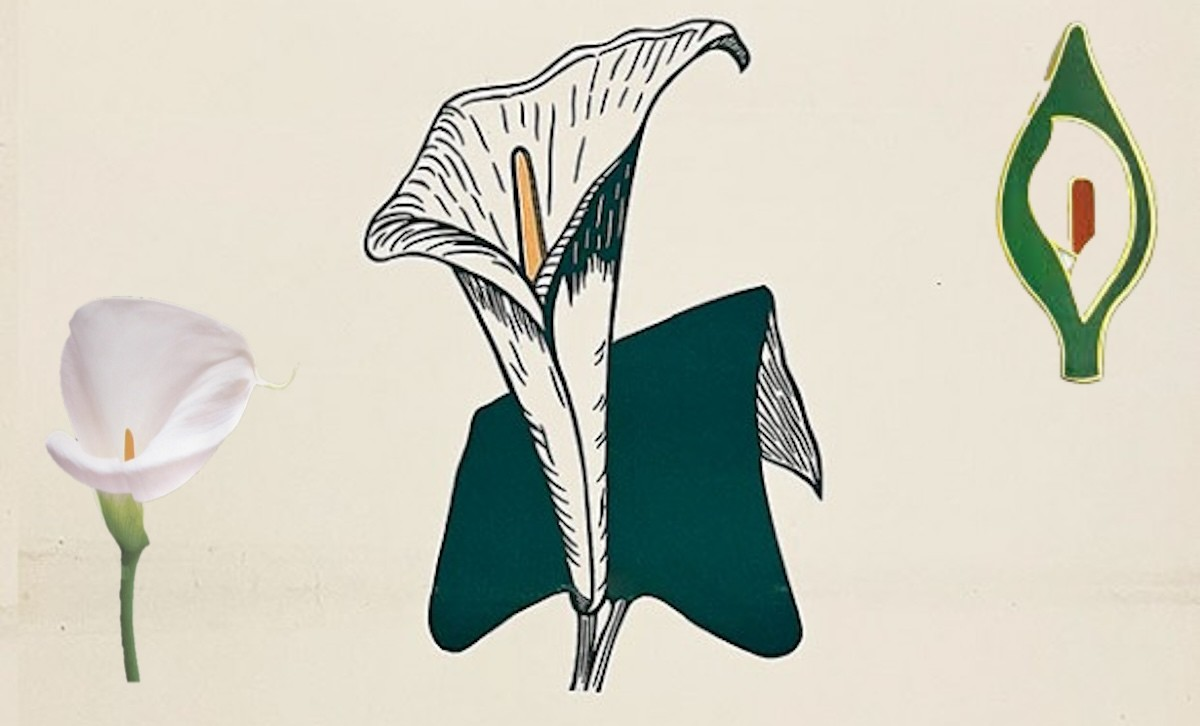
The Easter Lily turns one hundred this year, a symbol born in the crucible of 1916 and sharpened in the struggles that followed. From the very beginning it was never just a flower on a lapel; it was a declaration of allegiance to the Irish Republic, to those who died for it.
In the aftermath of the Rising and the wars that followed, thousands of republicans were executed, killed, imprisoned or driven into exile, leaving families shattered and destitute. The women of Cumann na mBan, who had marched, nursed, smuggled weapons and endured imprisonment alongside the men, refused to let that sacrifice be buried in silence. On the tenth anniversary of the Rising they chose the lily not as a polite ornament but as a badge of honour and a practical weapon of solidarity.
The first lilies were hand‑made by women who had walked the streets of Dublin under martial law, who had heard the firing squads at dawn, and who now turned remembrance into resistance. The badge was sold to fund the Irish Republican Prisoners’ Dependants Fund, ensuring that the widows, children and elderly dependants of Volunteers and political prisoners would not be abandoned by the state while those who led the Free State enriched themselves. To buy a lily was to say, in the language of the time, that the only true monument to Pearse and Connolly and Plunkett was the realisation of the Republic, not statues or plaques that could be ignored.
The design itself was a conscious act of republican symbolism. The white lily, shaped with a green base and orange centre, evoked the tricolour we know today. It was a national emblem made for the streets, for back‑to‑back houses and country lanes, for the working‑class heart of the people, not the marble halls of Leinster House or Stormont.
Republicans insisted that the lily must be worn openly at Easter Week commemorations, at funerals and at protests, so that the dead of 1916 and every other generation would be seen and remembered in the present. Early accounts speak of parades in the 1930s where every man, woman and child in the procession wore the lily, and the vast majority of spectators did likewise, turning the badge into a mass expression of loyalty to Ireland and its long line of martyrs. In that moment, the lily was not a sectarian symbol but a national one, embraced by many who still saw the Republic as unfinished and unachieved.
The choice of Easter was profoundly political, not merely religious. The churches of Ireland might fill with crosses and hymns, but republicans seized the season of resurrection to assert that the 32 County Republic itself was a living ideal waiting to be reborn. The lily, blooming at Easter, became a metaphor for the nation promised in the Proclamation: suffering, death and then the hope of new life.
For those who carried lilies in gable walls, at gravesides and in prison cells, the flower spoke of continuity. The same blood that ran through the veins of Tone, Emmet, and the Volunteers of 1916 flowed on into the Volunteers of the IRA, into the hunger‑strikers of the 1980s, and into every republican prisoner locked up for standing against partition and occupation.
To wear the lily at Easter was to say that the Irish Republic was not confined to a quarter‑century‑old insurrection, but a living project that must be renewed in every generation.
Because the lily was tied so closely to republican struggle, both the Free State and northern governments treated it as a threat. In the South, Fianna Fáil and Fine Gael governments tried again and again to sideline or suppress Easter Lily sales, while in the North the badge was openly criminalised.
Sellers were vilified, assaulted, arrested and jailed for offering lilies at church gates, markets and street corners, even when the proceeds were publicly declared as support for dependants’ funds. For many republicans, those arrests and beatings only confirmed the badge’s importance: the state would not tolerate a symbol that linked the people to the prisoners, to the dead and to the demand for a united sovereign Ireland. It was in that atmosphere of repression that the lily became not just a lapel badge but a quiet act of defiance, worn in homes, on tombstones and in the heart of nationalist communities.
During the conflict from the late 1960s onward, the meaning of the lily deepened. It continued to honour the men of 1916 and the earlier generations, but it also embraced the Volunteers and civilians killed in the struggle for freedom in the North. Murals of lilies sprang up on gable walls, often alongside the names of those shot dead in the streets or in prison, binding the past and present into a single narrative of resistance.
For Irish republicans, the lily stands for more than historical memory. It is a symbol of our patriot dead, of those who gave their all, of the community that refuses to forget even as the authorities seek to bury or distort the past. It is also a reminder that the Republic proclaimed in 1916 has yet to be fully realised, that partition and the British occupation remain, and that the struggle for a free, united, sovereign Ireland is not complete.