On This Day in 1975
Posted by Jim on December 6, 2025
THE IRISH NEWS:
Merlyn Rees Ends Internment at Long Kesh.
Welcoming the closure of internment without trial, the paper condemns the years of arbitrary detention, psychological torment and injustice suffered by Long Kesh detainees since 1971
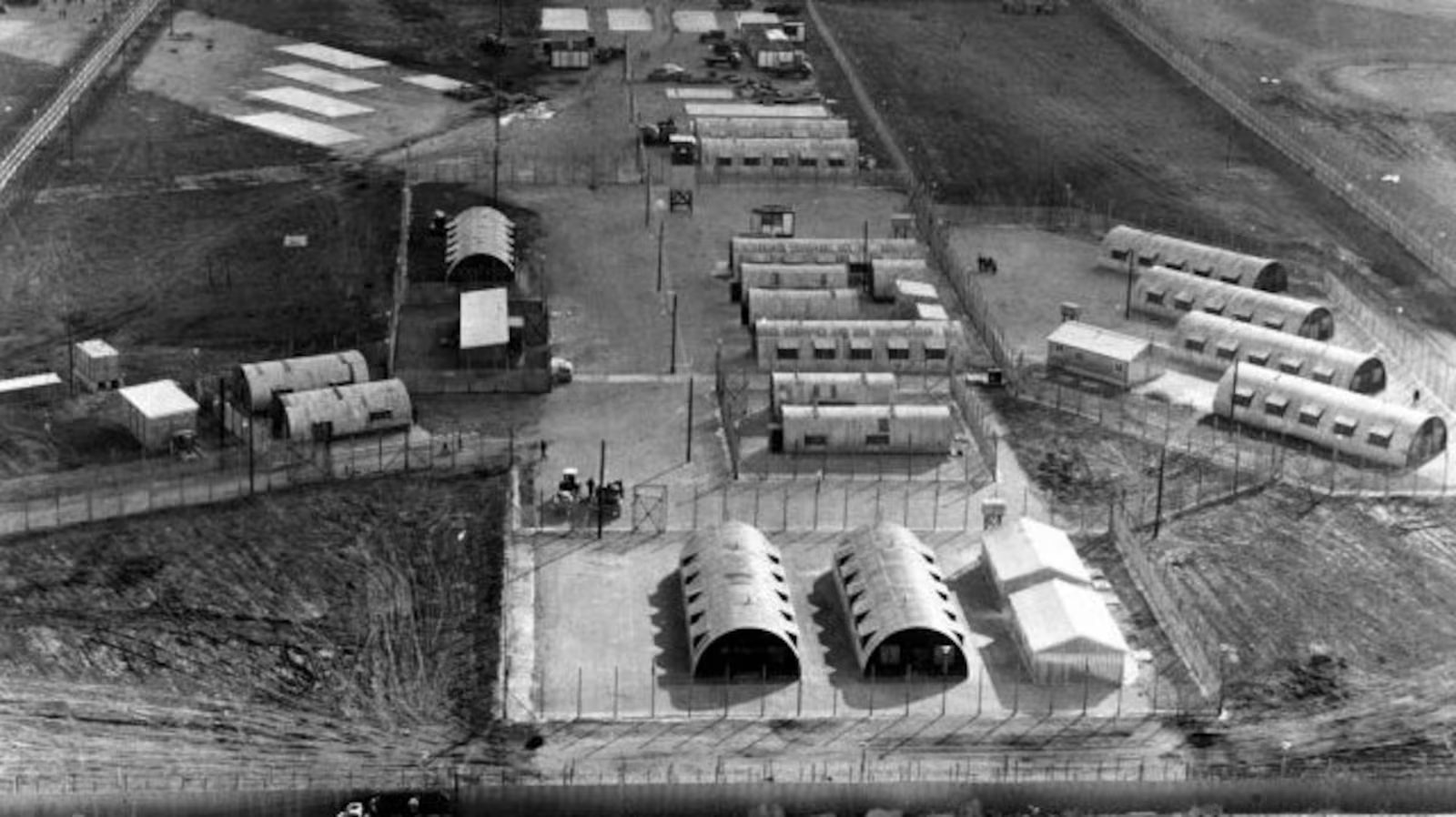
The Long Kesh internment camp
By Cormac Moore
December 06, 2025 at 6:00am GMT
December 6 1975
Doubtless heading the dictates of prudence (because Britain is believed to have been found guilty by the European Human Rights Commission of torture or internees as well as the discriminatory use of internment) if not of charity towards the internees in Long Kesh, Mr [Merlyn] Rees has finally laid to rest this evil which has provoked so much hostility and caused so much human suffering.
Yesterday’s decision will be widely welcomed. It is a long overdue move which could push us a little nearer to normality.
Internment without trial has been the great abomination in the eyes of those whose menfolk were its victims because it was exercised in so arbitrary a fashion. It has aroused disgust and protest on all sides. Anger over it has constantly provoked more than verbal protest.
It is now generally agreed that internment (or the less abrasive “detention”) has been counter-productive and that we should not move forward until it was ended.
There has always been uneasiness about the mental anguish of men arrested and detained without trial, and the demoralising effects of inactivity in a place providing few physical or mental facilities; over the herding together in compounds and the cheek-by-jowl existence of men and youths of varying social and intellectual capacities.
However Mr [Brian] Faulkner may have argued for it at the time of its introduction, internment without trial remains an essentially and hopelessly immoral exercise and those interned the victims of a wanton and unjustifiable act of aggression against their liberty.
Its history since 1971 and the subsequent arrival of British ministers, has been marred by a reluctance to face up to its realities except when protest became disturbing. Only then did Mr [William] Whitelaw make an effort to disengage from the Faulkner policy by ordering the release of several hundred men who had been so unjustifiably interned.
Even a subsequent system of enquiry by commissioners did not appear to operate in the best traditions of British justice and in too many cases Long Kesh inmates had to submit to the charade of hearing “evidence” from unseen “informers” before knowing whether they would be released or continue to be interned.
Long Kesh was opened in 1971 to provide for Mr Faulkner’s self-confessed “detestable instrument” of internment. Despite efforts to improve conditions there it has remained a squalid place harbouring men without hope.
Irish News editorial, while welcoming the ending of internment, condemned the policy in the first place and the more than four years of its enforcement.